What to Do
Valle LiberaWHAT TO DO
The Strategic Location of Valle Libera
The strategic location of Valle Libera, set between Umbria, Tuscany, and Lazio, makes it easy to visit some of Central Italy’s most beautiful destinations.
Within easy reach you can explore historic gems such as Orvieto, the spectacular hilltop village of Civita di Bagnoregio, the medieval city of Siena, and the spiritual center of Assisi, as well as countless charming villages scattered across the surrounding countryside.
Food lovers will discover an exceptionally rich food and wine culture, with opportunities to enjoy local wine tastings, traditional regional dishes, and lively village festivals throughout the year.
Nature and outdoor enthusiasts can explore the stunning landscapes around Lake Bolsena, hike the slopes of Monte Amiata, relax in the thermal waters of Terme di San Casciano, or discover the wild beauty of the Valnerina, home to the spectacular Cascata delle Marmore and several protected natural reserves.
The area is perfect for outdoor activities and adventure sports, including hiking, cycling, horseback riding, sailing, climbing, rafting, and canyoning.
Valle Libera is conveniently located just 15 minutes from the highway and the main railway line connecting Rome and Florence, making it an ideal base for exploring Central Italy.
CULTURE & HERITAGE
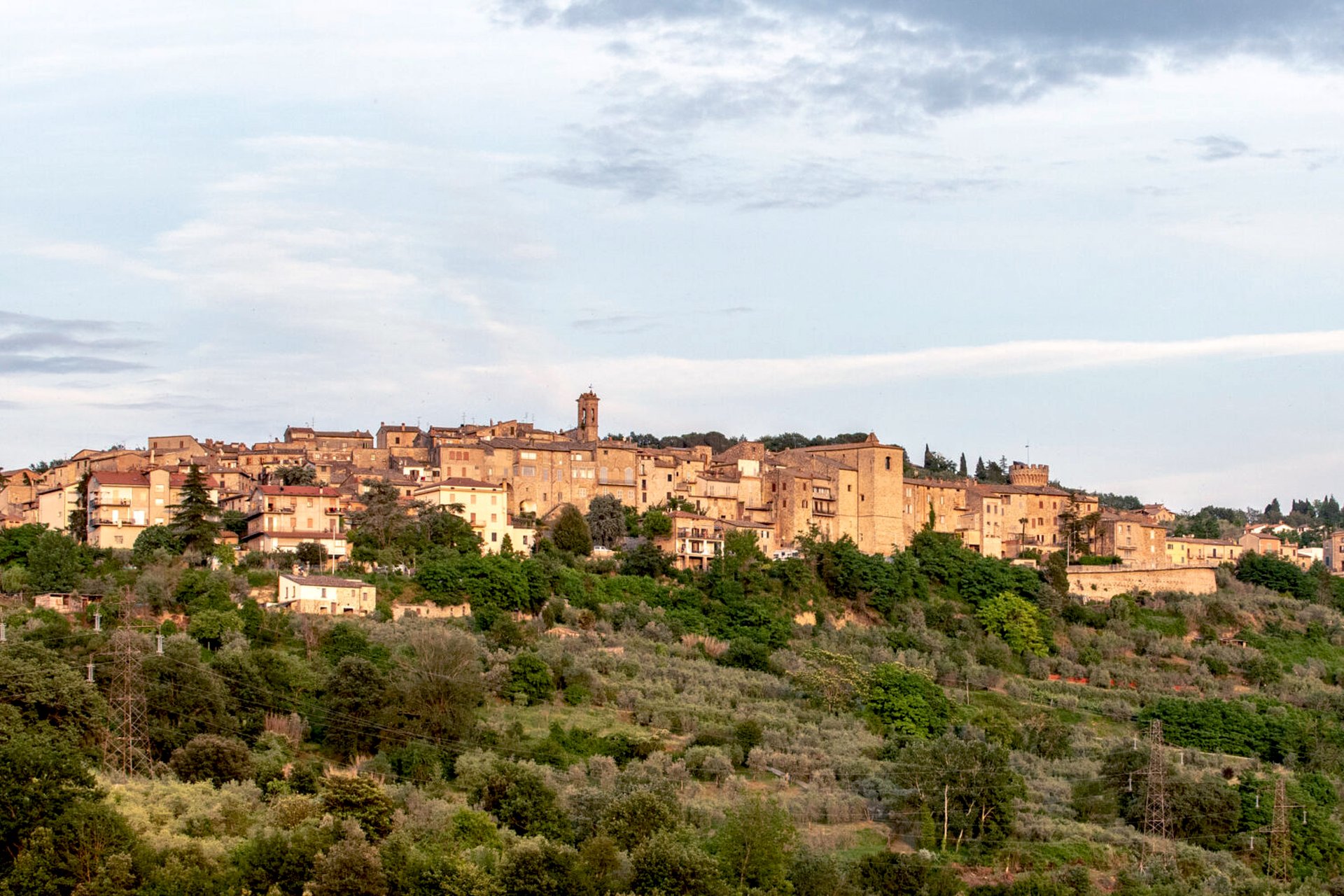
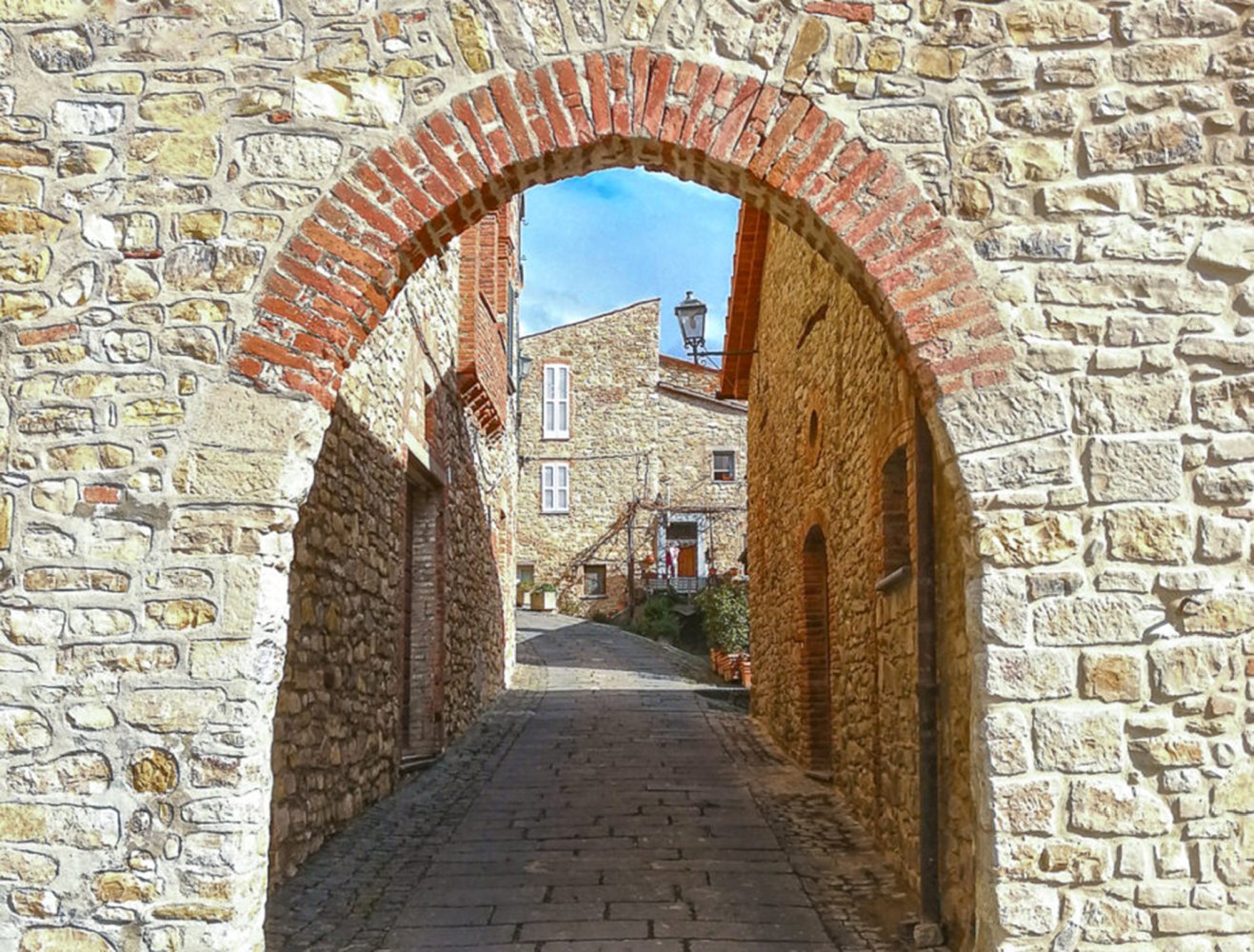
Ficulle, just 7 km from Valle Libera, is a medieval village with ancient walls, historic castles, Gothic churches, and a long tradition of terracotta craftsmanship.
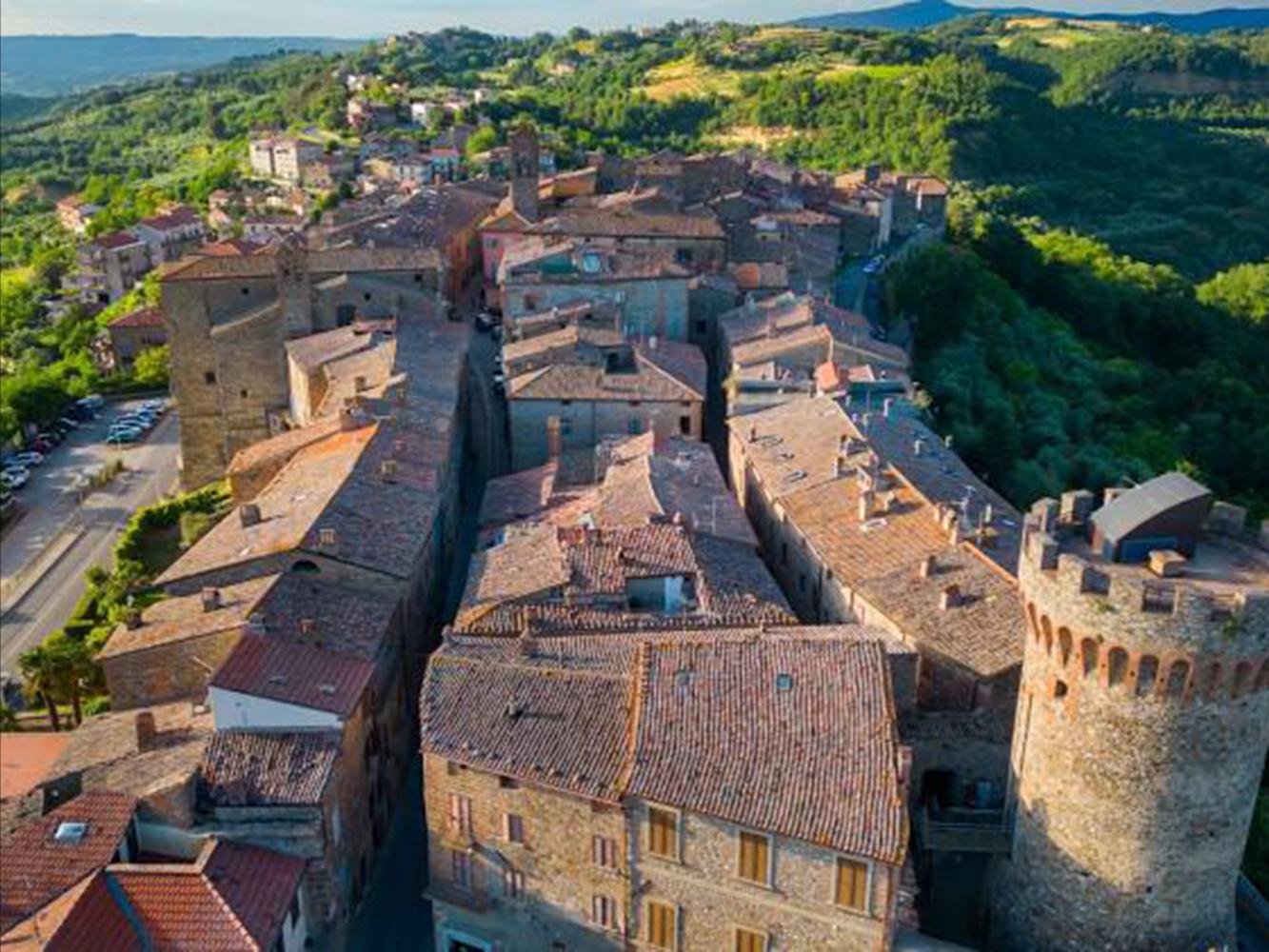
Parrano is a hilltop village visible from Valle Libera, dominated by an imposing 15th-century Renaissance castle.
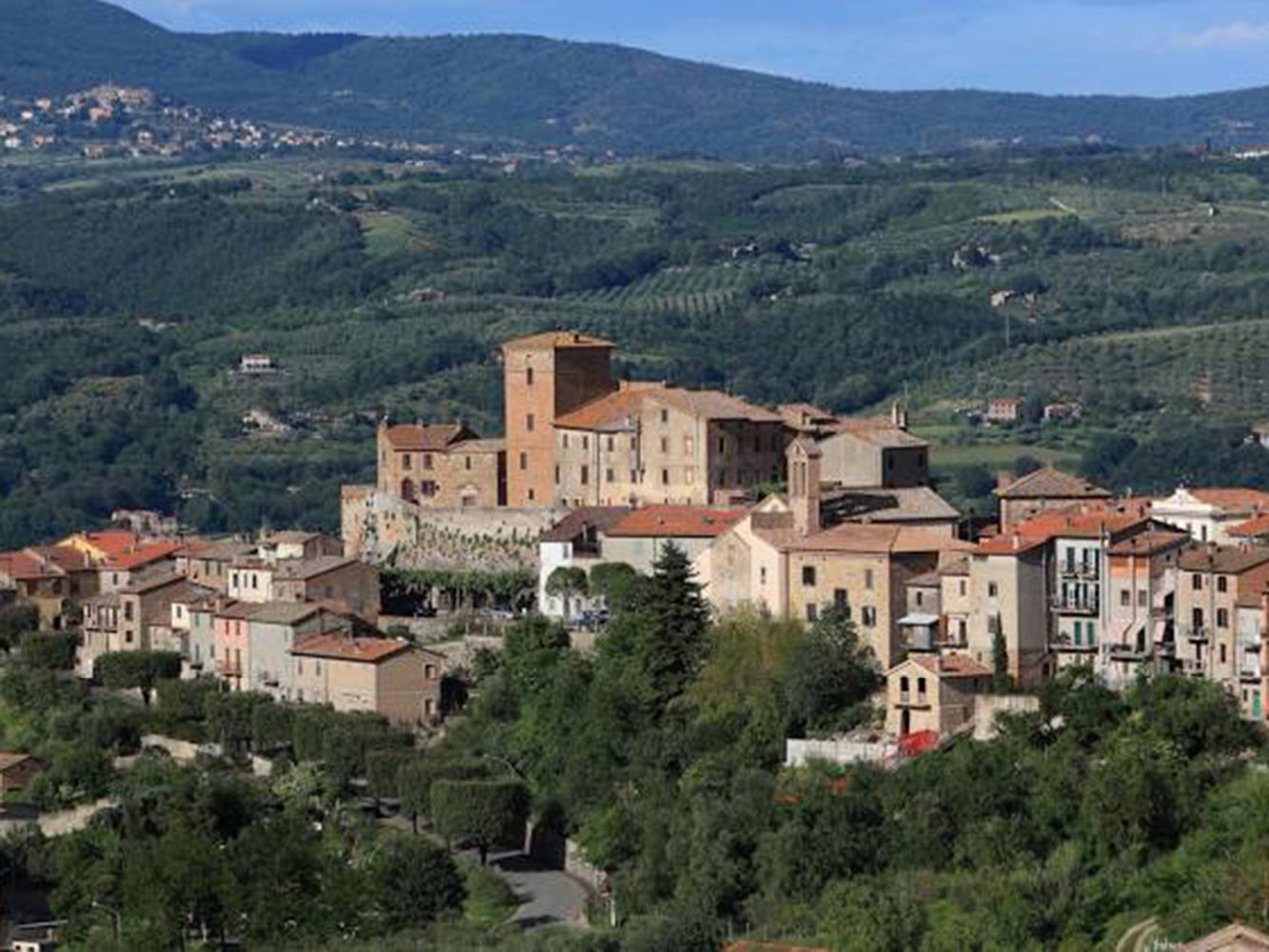
Fabro is a small village a few kilometers away from Valle Libera, characterized by its medieval castle and panoramic views over the valley below.
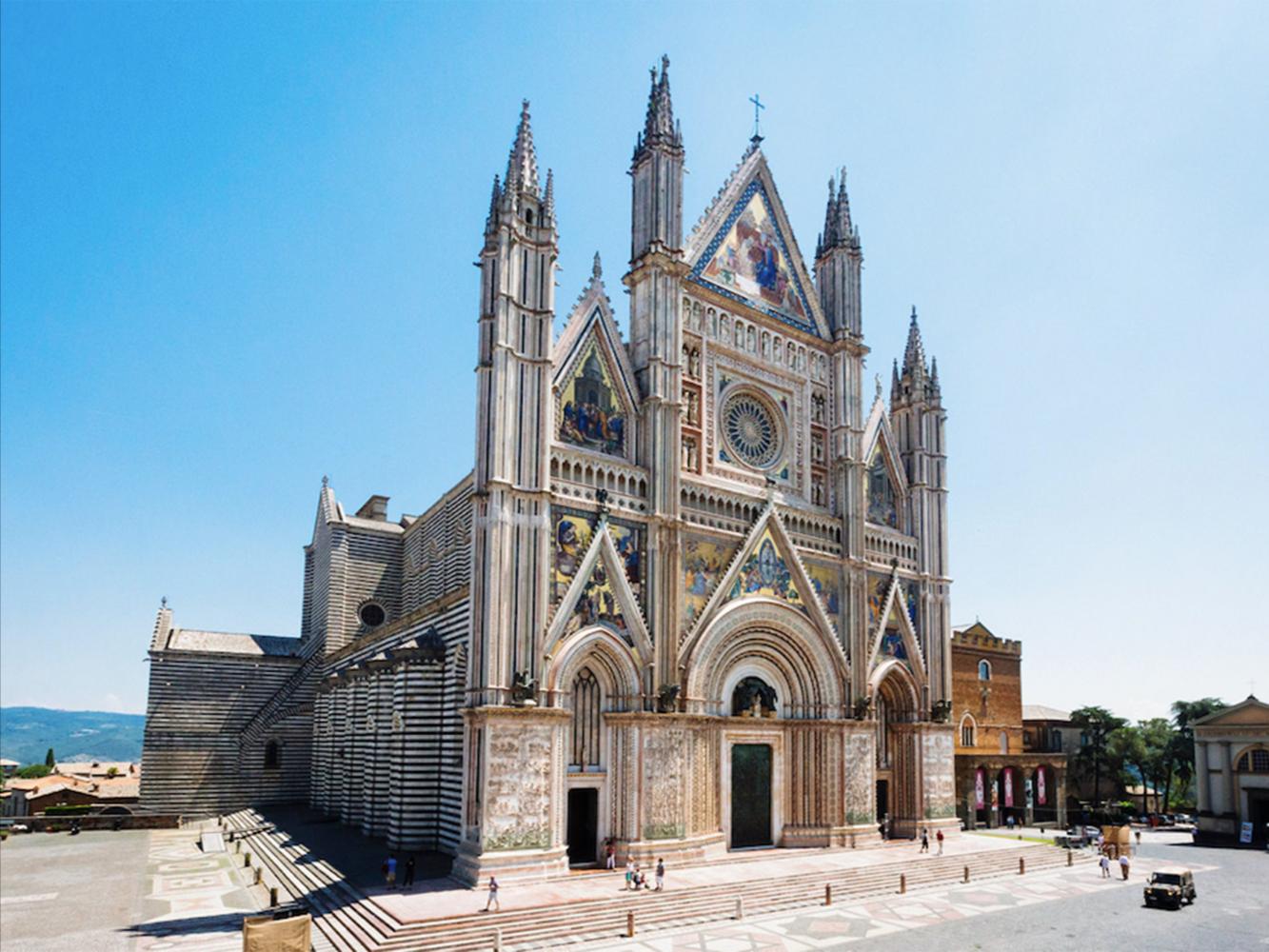
Orvieto, perched on a tuff cliff, boasts Etruscan, Roman, and medieval history. The town is famous for its Duomo, the enchanting Pozzo di San Patrizio, and the network of fascinating underground tunnels.
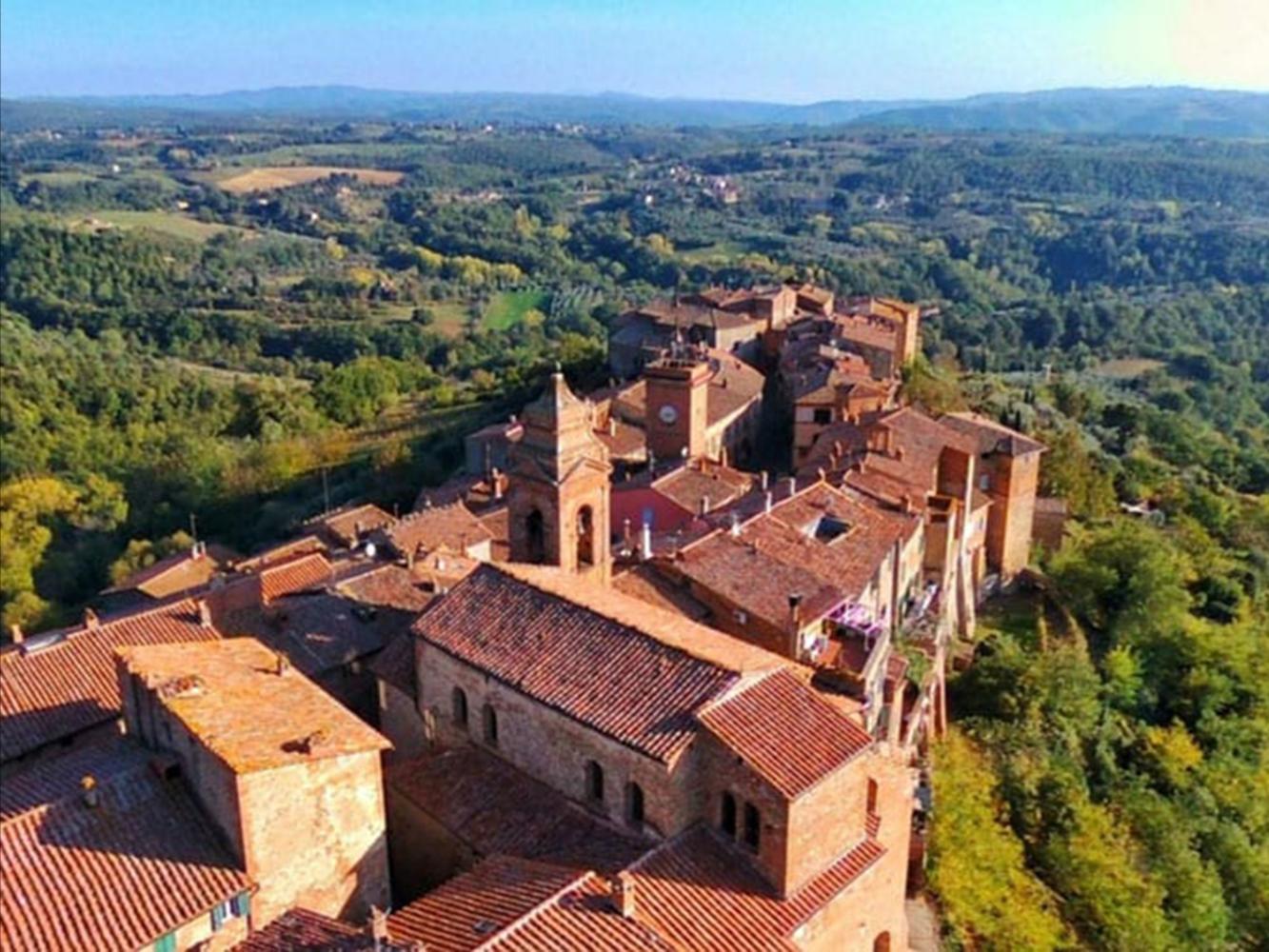
Monteleone is a medieval town with a massive 13th-century fortified castle and a historic center still enclosed by intact walls.
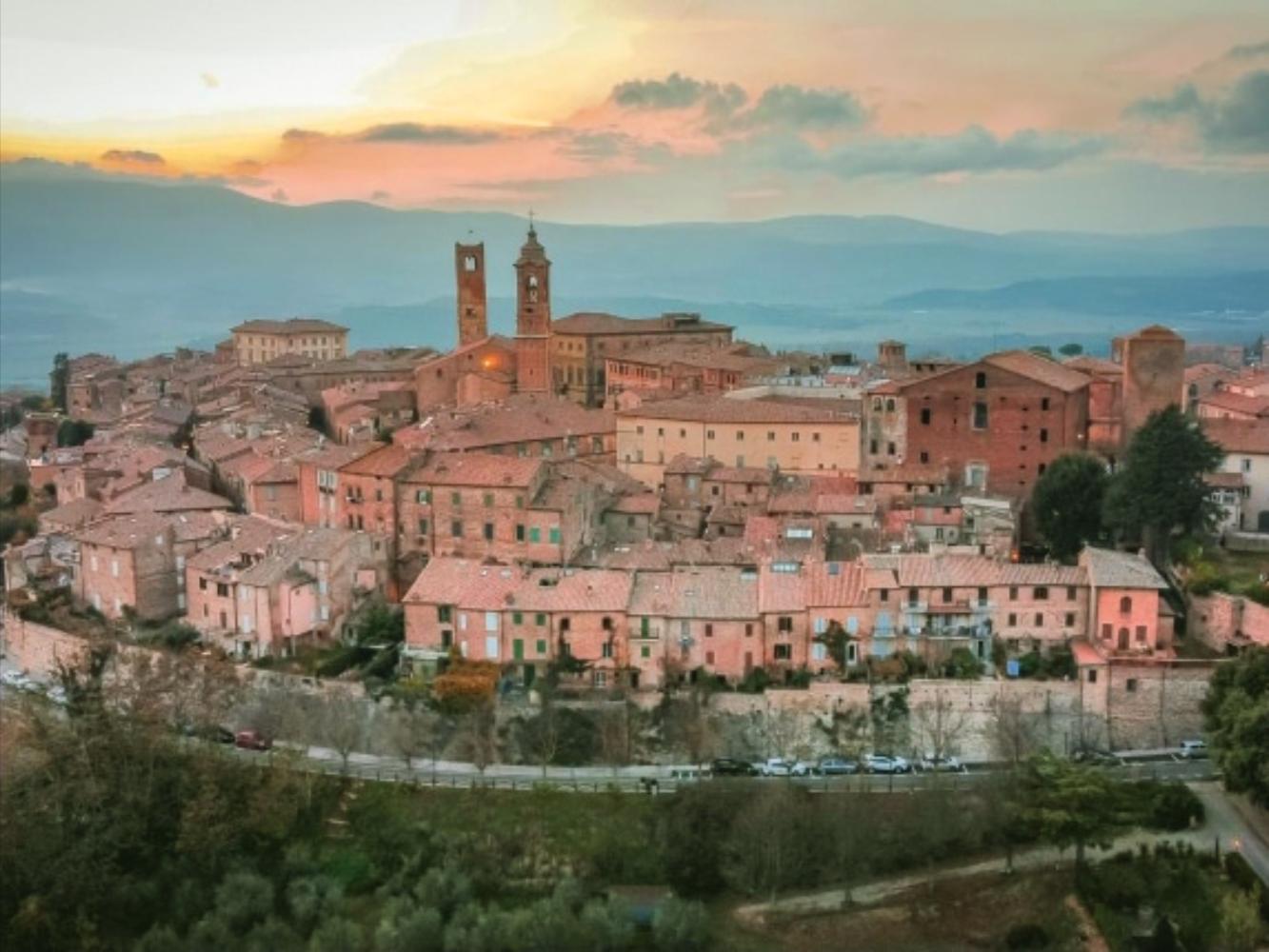
Città della Pieve, a charming hilltop village on the Umbria-Tuscany border, is known for the Palio dei Terzieri and as the birthplace of Perugino, the Renaissance painter.
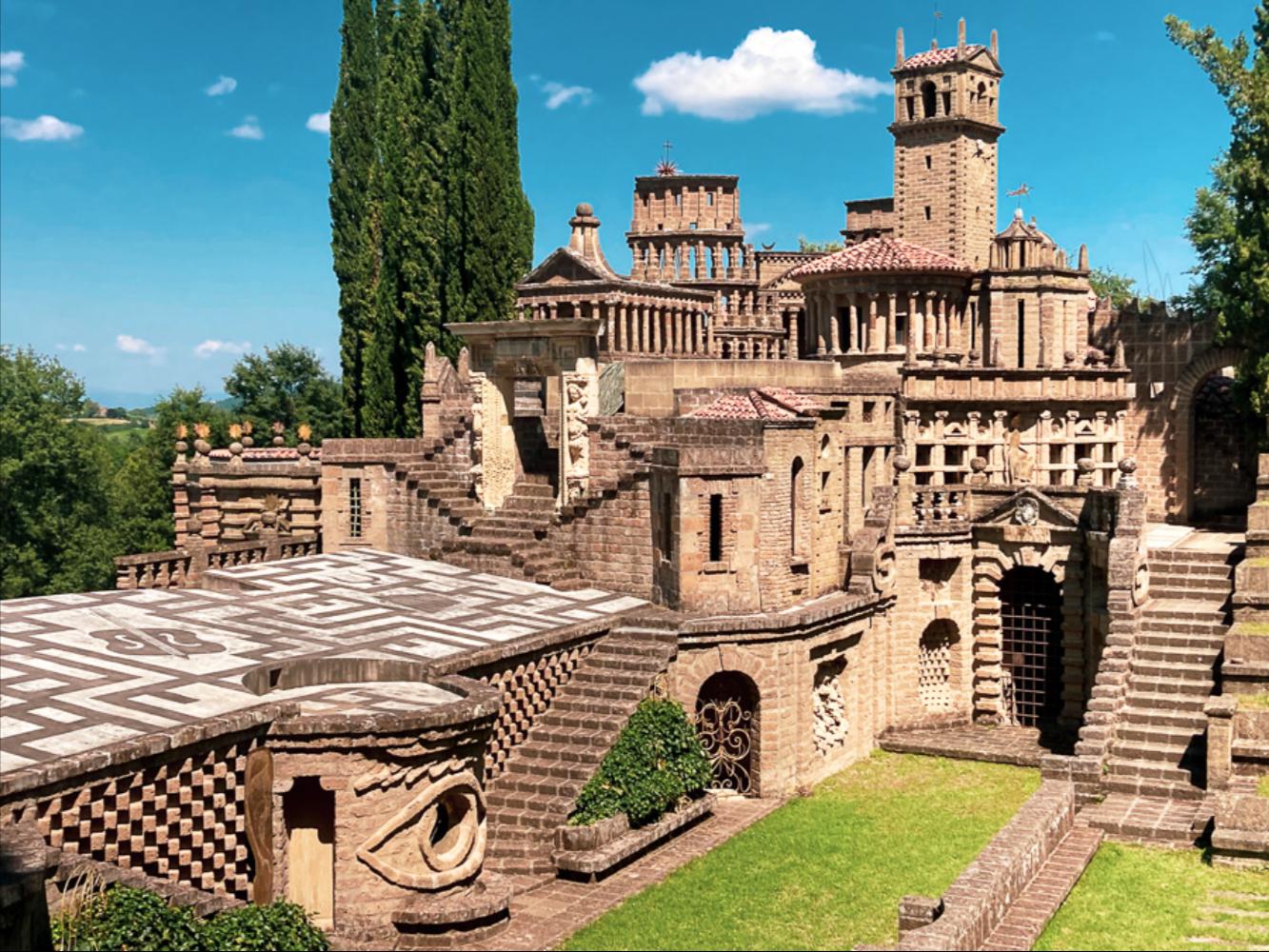
La Scarzuola is a former Franciscan convent transformed into a visionary “ideal city”, a complex of surreal and symbolic architecture inspired by an alchemical dream.
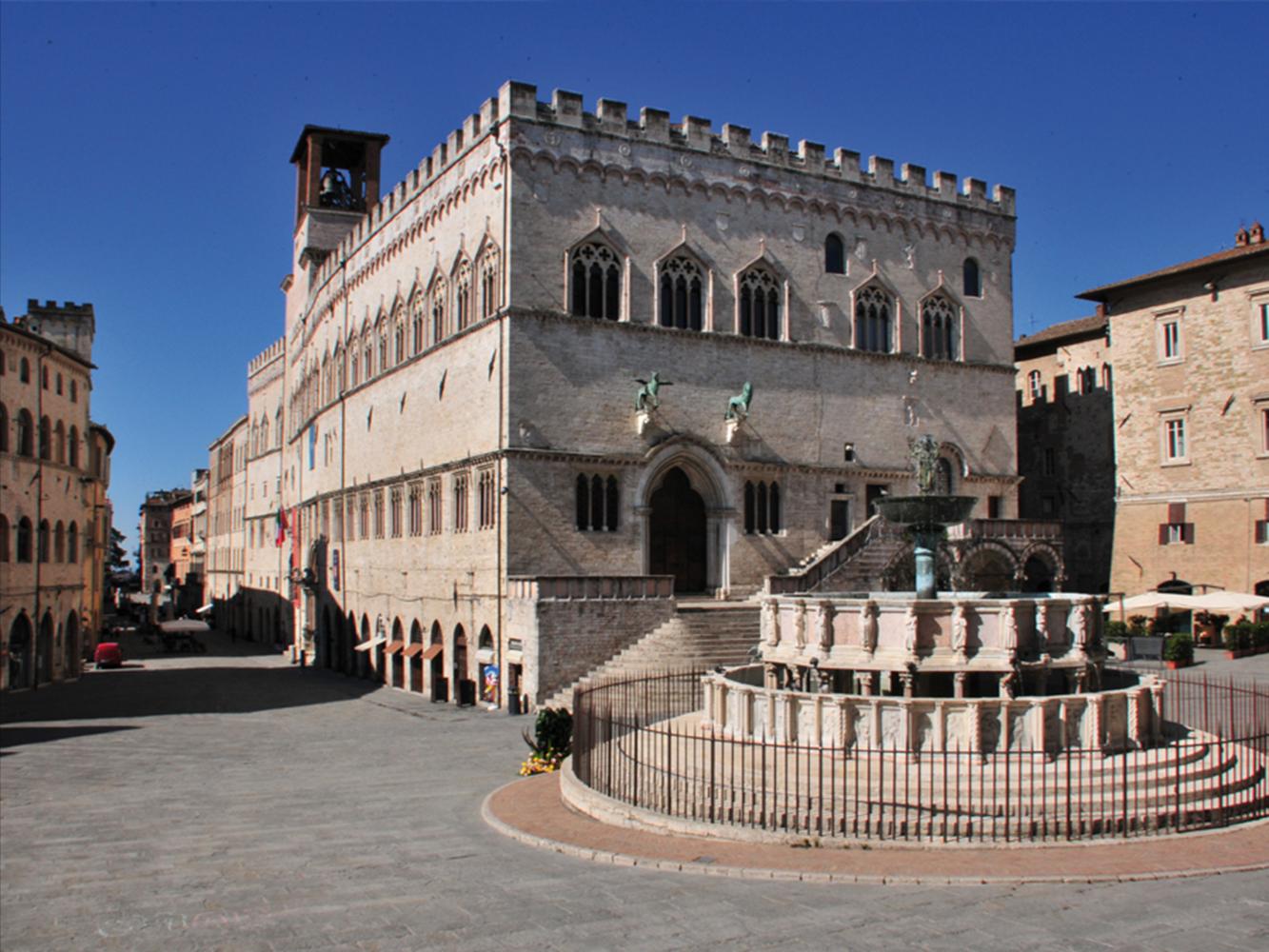
Perugia, the regional capital of Umbria, features Etruscan and medieval heritage, with highlights such as the monumental Rocca Paolina, the University for Foreigners, and the summer Umbria Jazz festival.
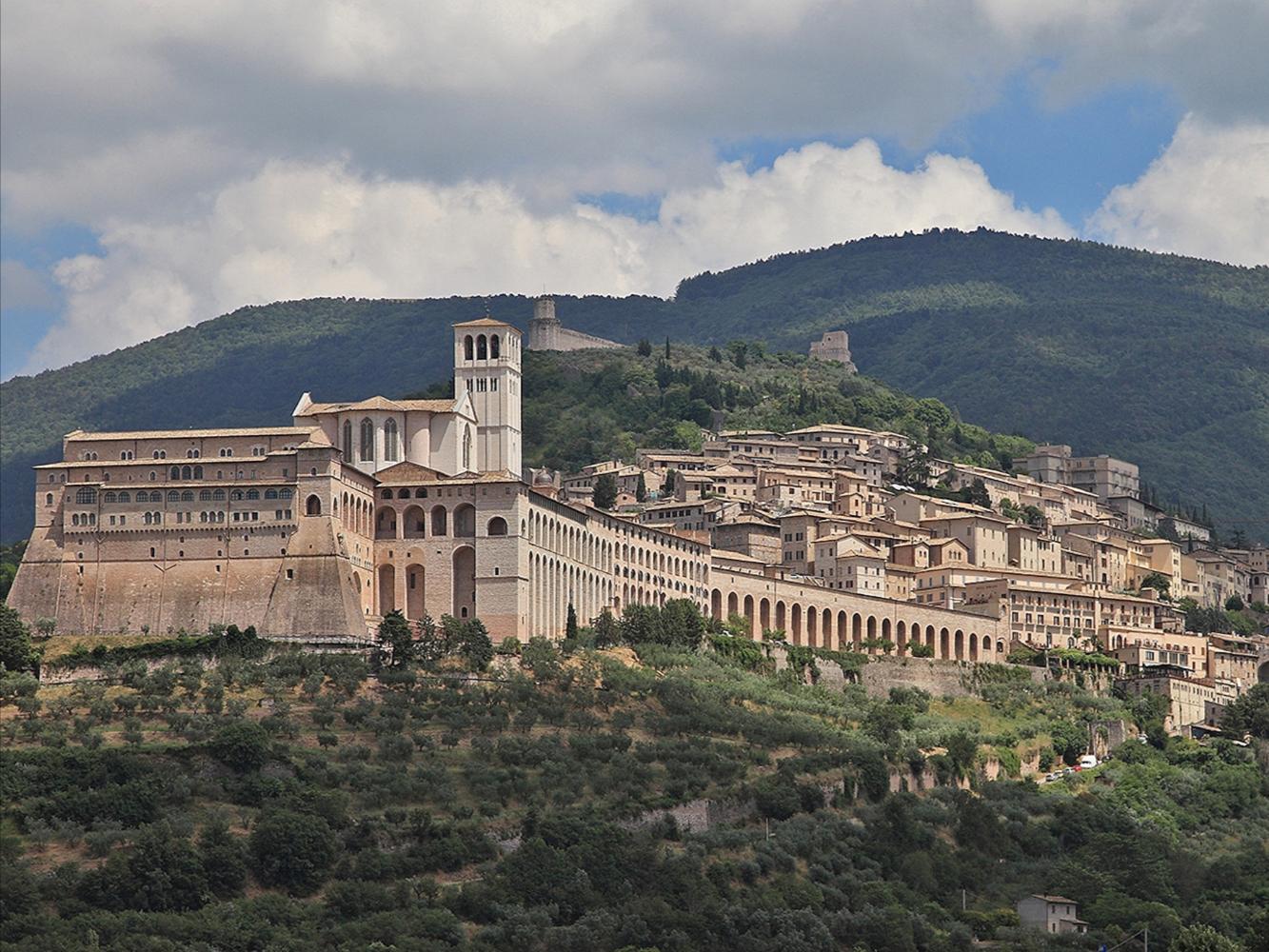
Assisi, the birthplace of Saint Francis, is dominated by its majestic frescoed Basilica, a UNESCO World Heritage site and a world-renowned pilgrimage destination.
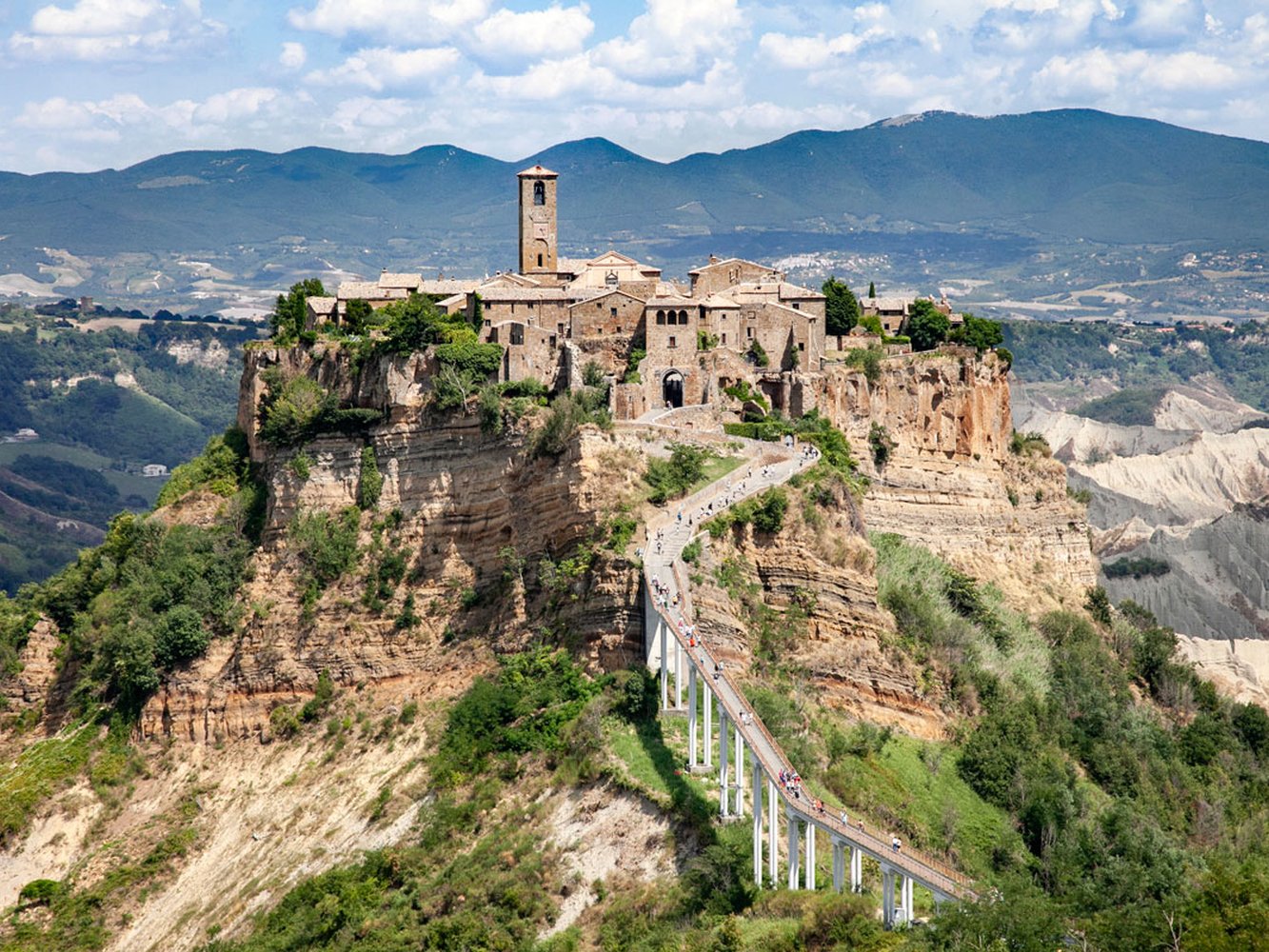
Civita di Bagnoregio, an ancient Etruscan village nicknamed “the dying city”, is accessible only by a pedestrian bridge and overlooks dramatic clay cliffs.
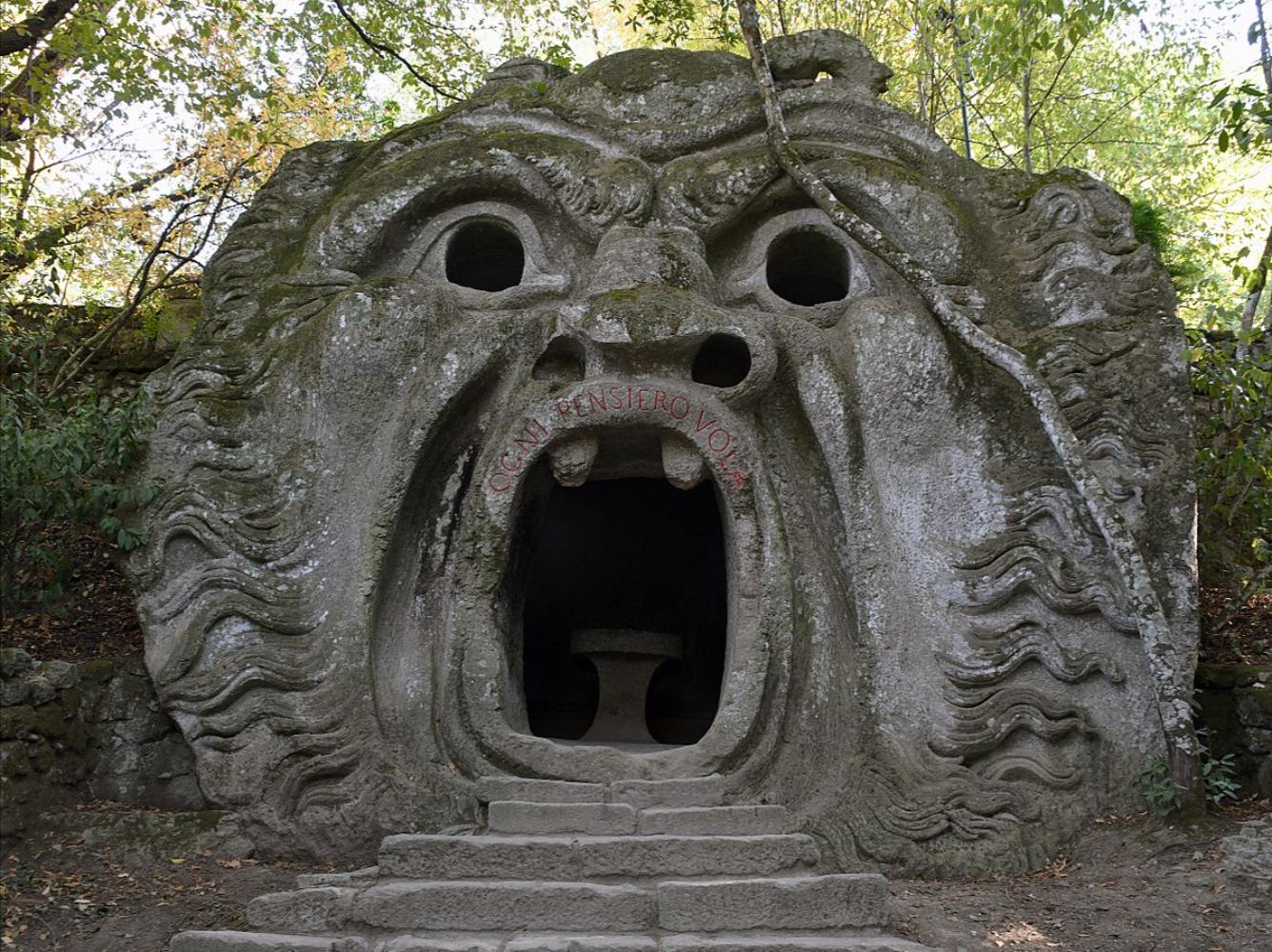
The Bomarzo Monster Park, in the Viterbo area, showcases grotesque and dreamlike sculptures created by Pier Francesco Orsini, a unique example of a modern sculptural garden.
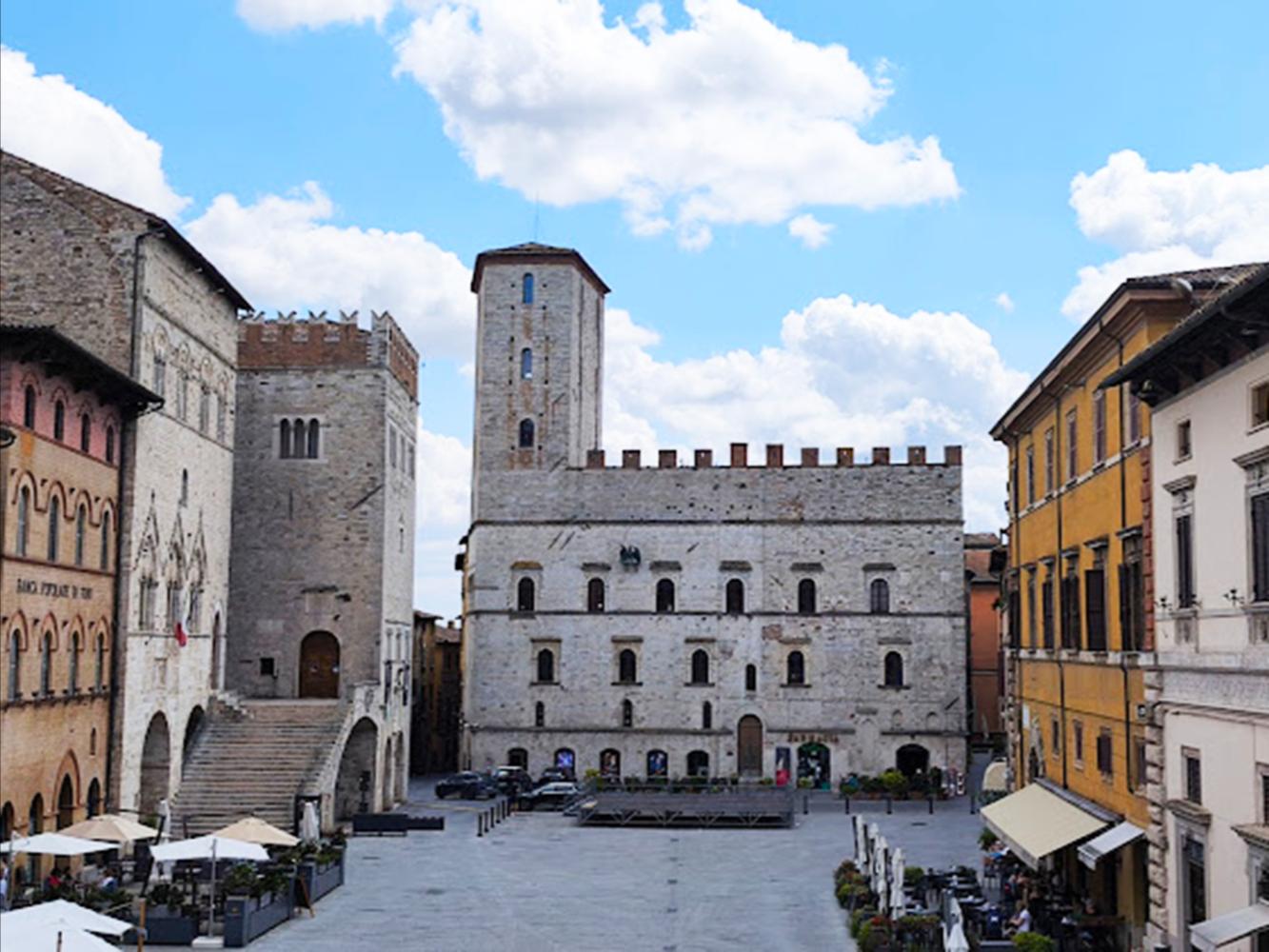
Todi is a town of narrow medieval streets, the majestic Palazzo del Popolo, and spectacular views over the Tevere Valley.
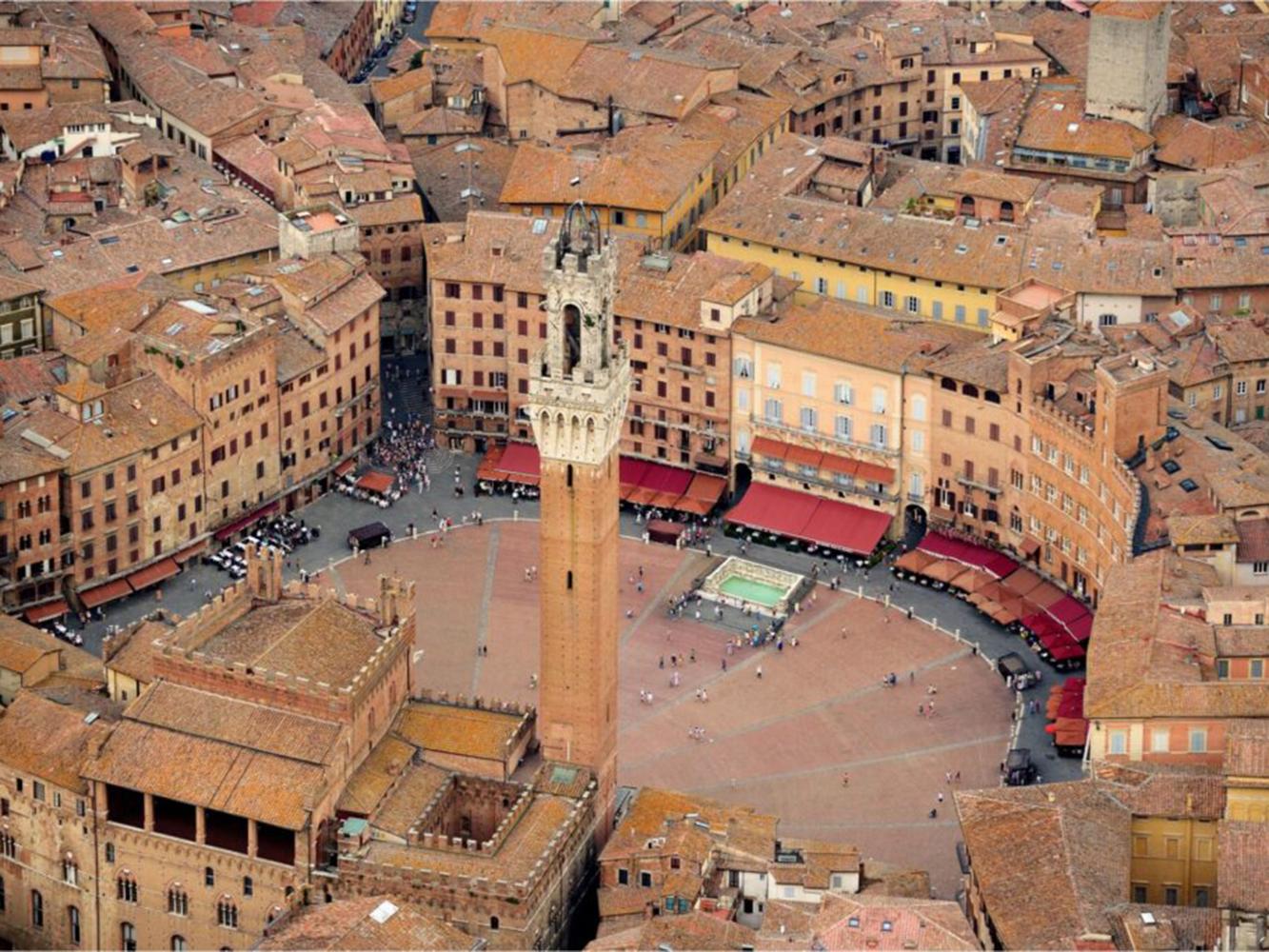
Siena, a stunning medieval city in Tuscany, is famous for the Palio, its shell-shaped Piazza del Campo, and the magnificent Duomo.
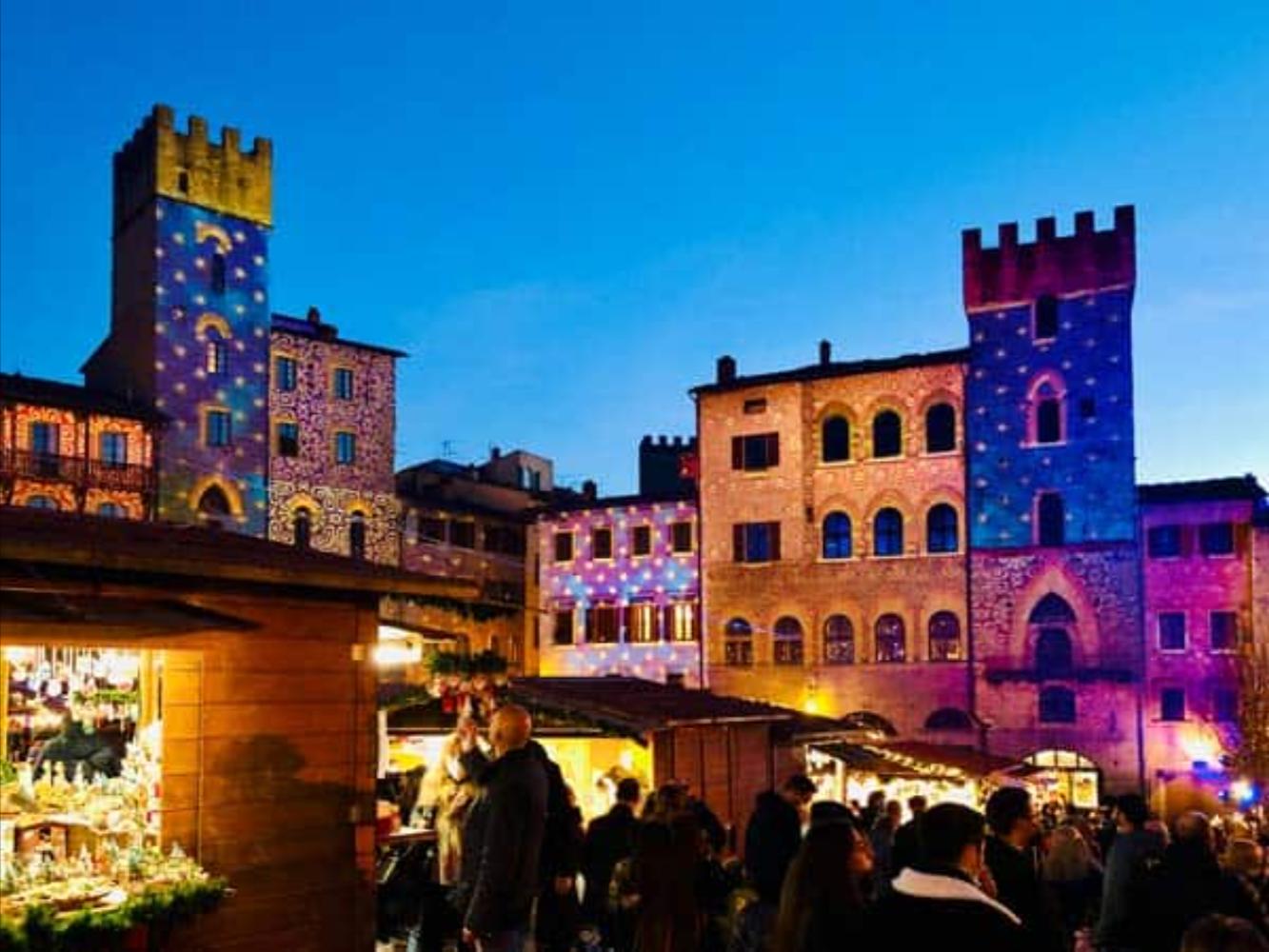
Arezzo, another Tuscan medieval city, is renowned for the Giostra del Saracino and its jewelry heritage. At Christmas, the Fiera Antiquaria turns into a magical holiday market.
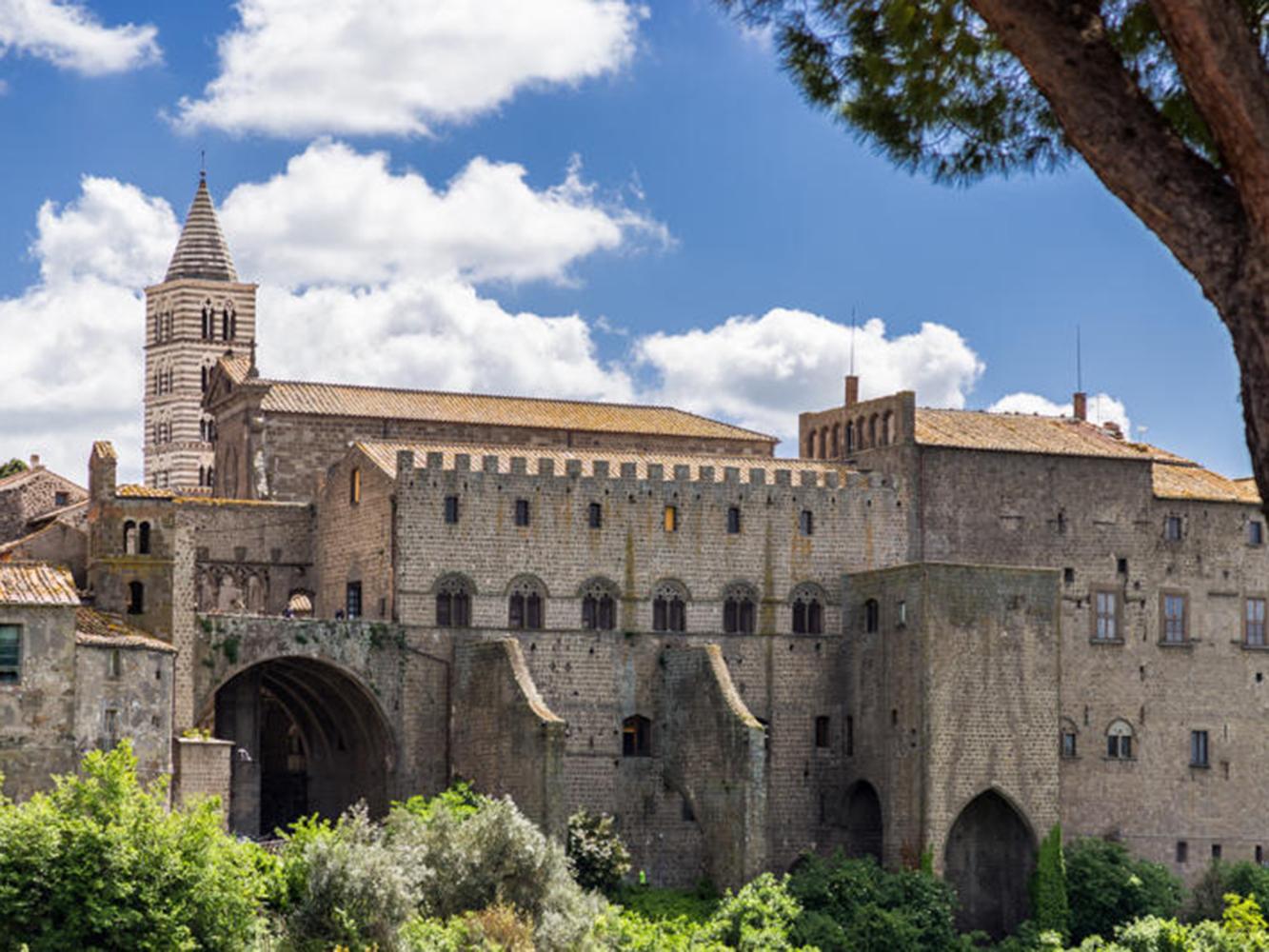
Viterbo, heart of the Tuscia region, is known for its medieval San Pellegrino quarter, thermal baths, and the historic Palazzo dei Papi.
NATURE
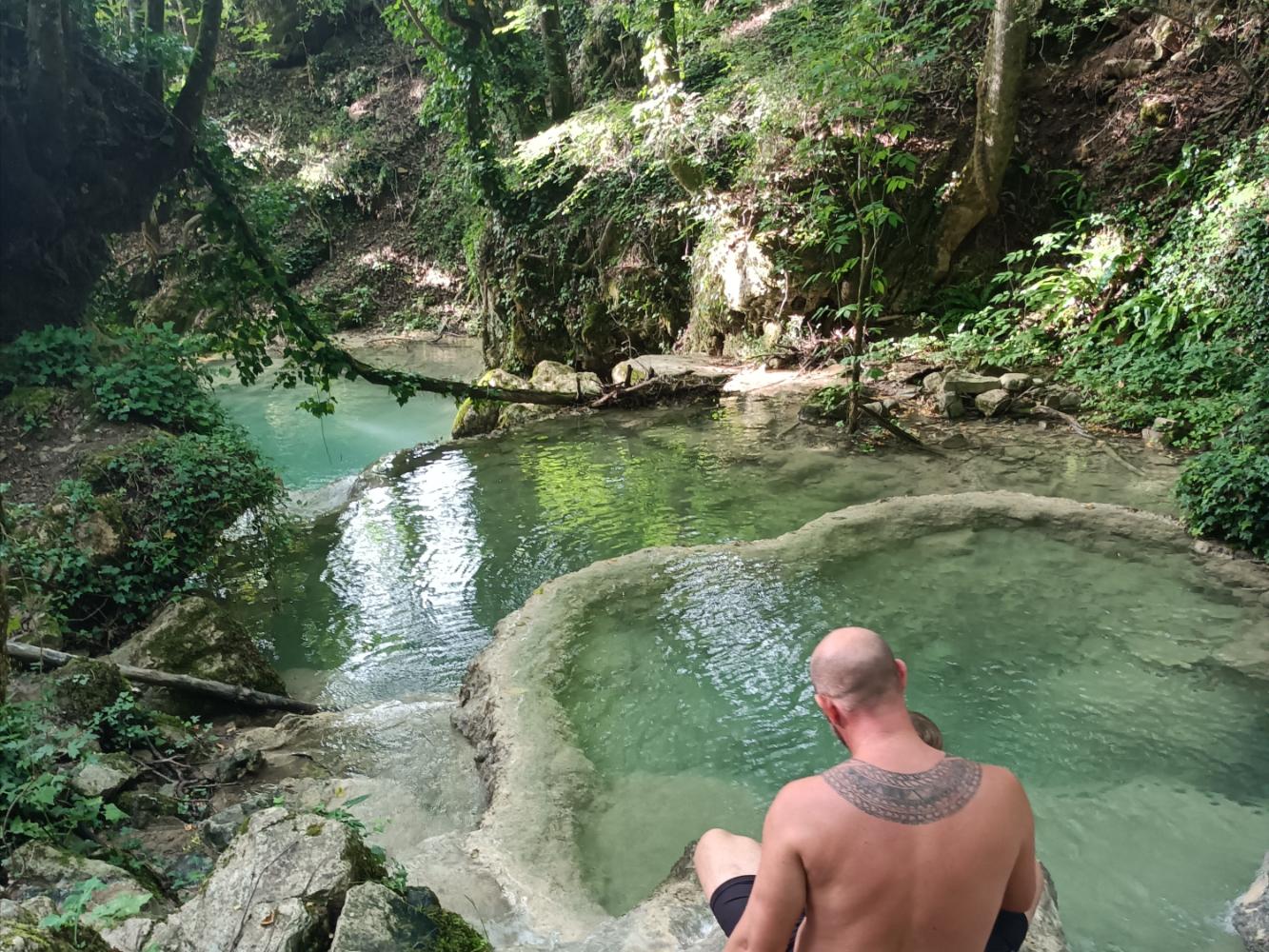
The surrounding woodlands feature numerous streams and natural pools nestled among rocks and lush vegetation, perfect for a refreshing swim.
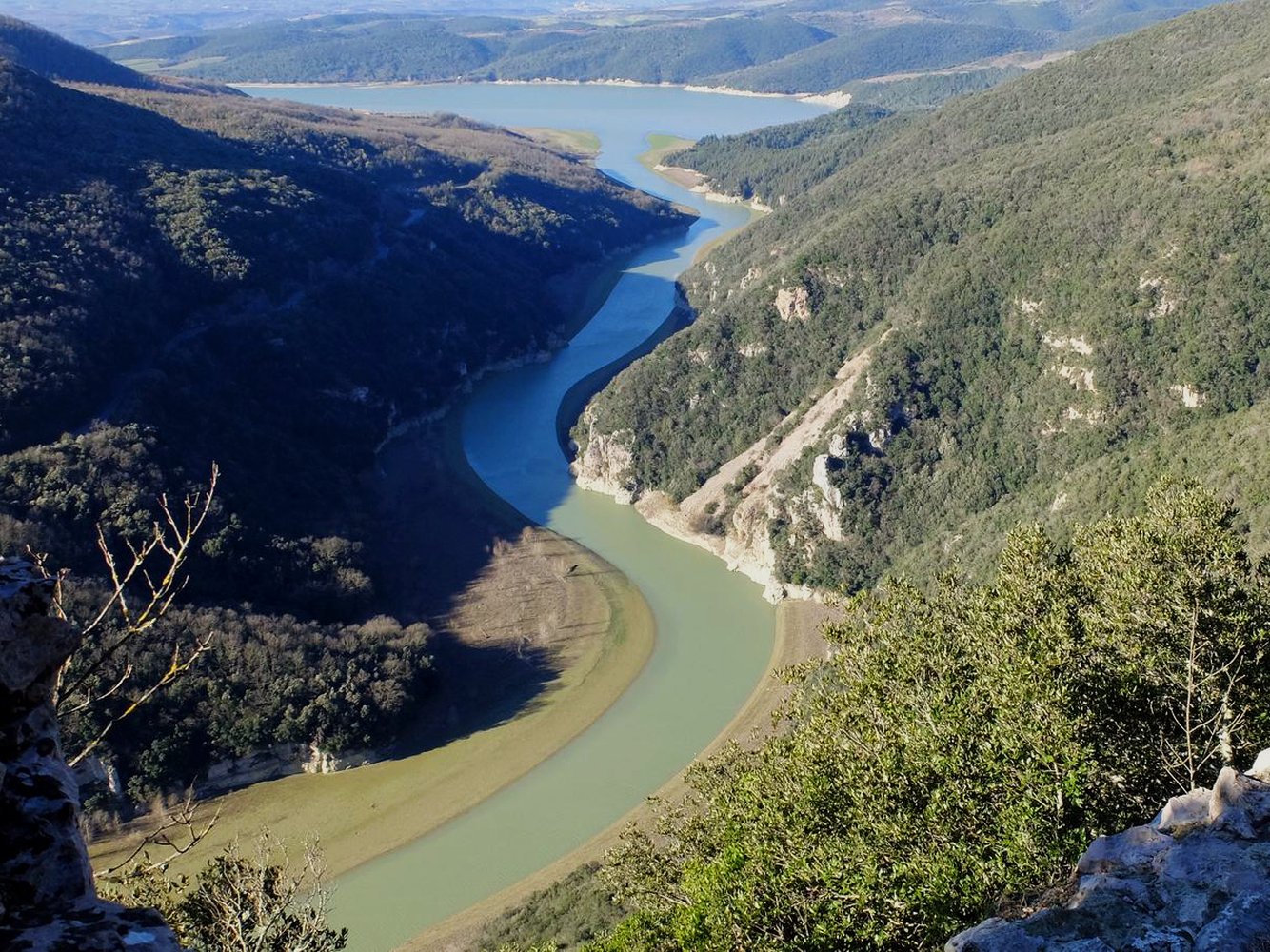
Le Gole del Forello is a spectacular natural canyon, with rocky walls, panoramic trails, and the Tevere River flowing below.
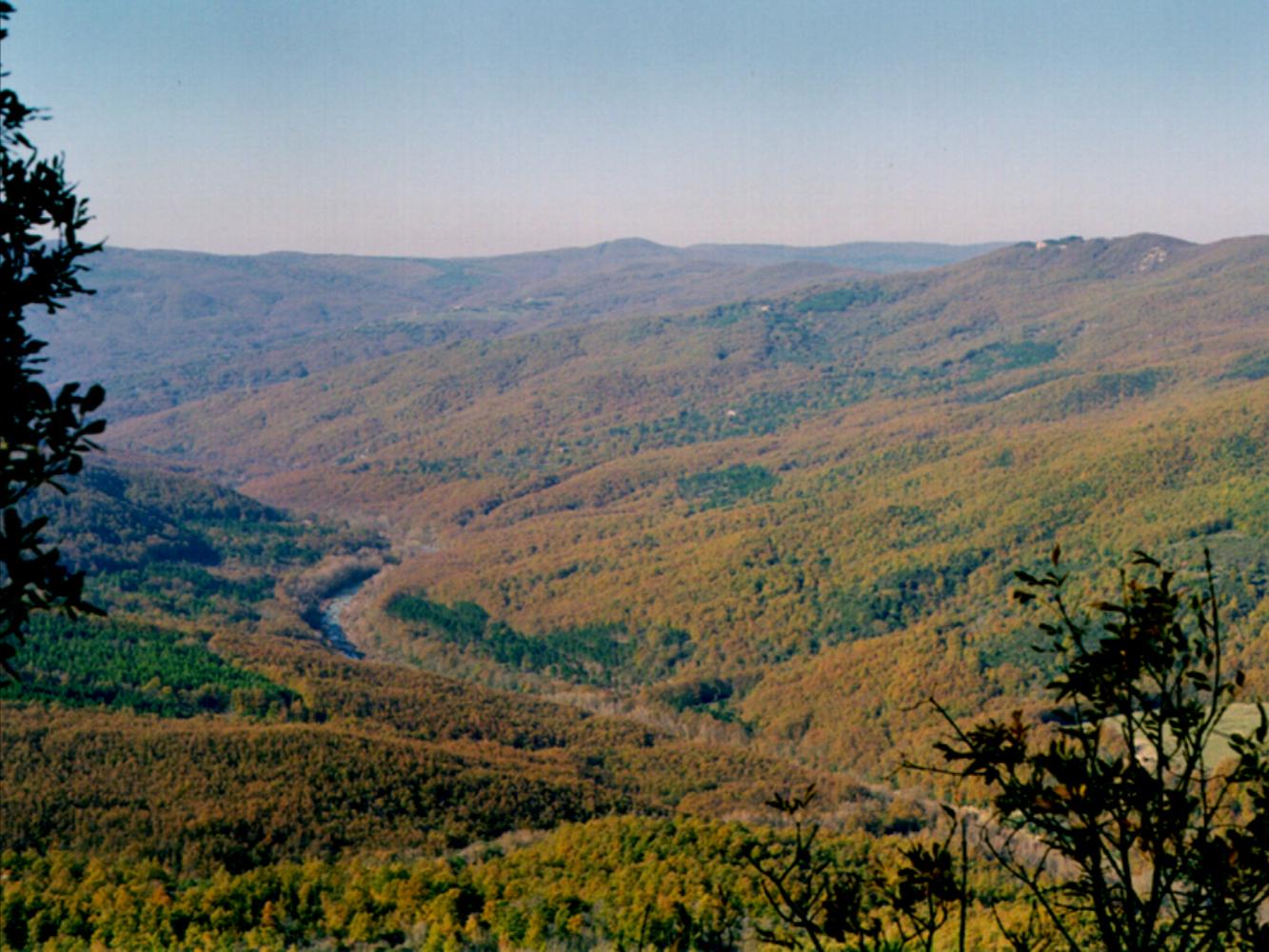
Selva di Meana is a vast ancient forest, rich in hiking paths and biodiversity, surrounding the village of Meana in the Tevere Valley.
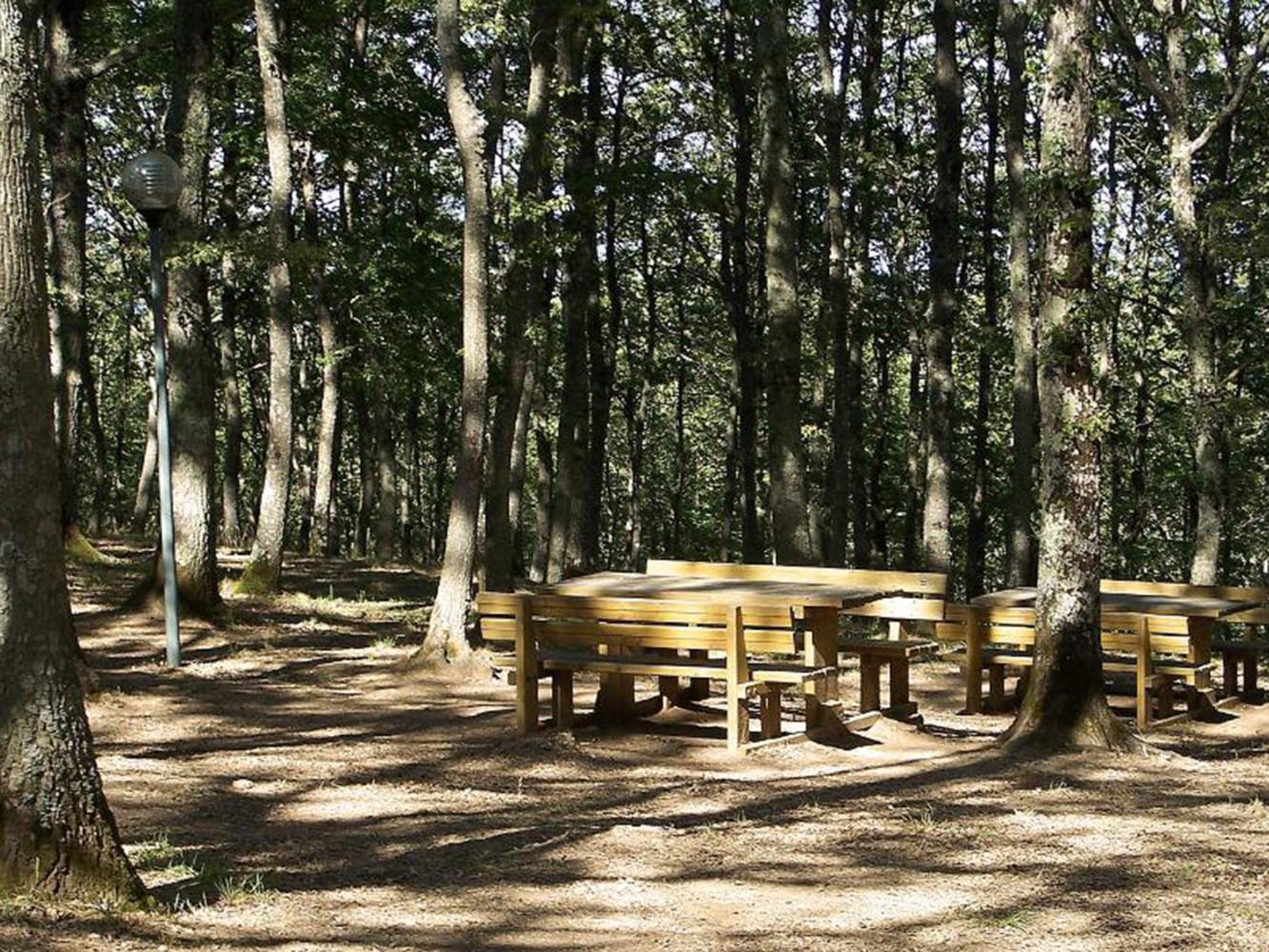
Parco di Villalba, located at 600–700 meters above sea level, offers a mountain lodge with restaurant, equipped picnic areas, fire pits, and scenic trails.
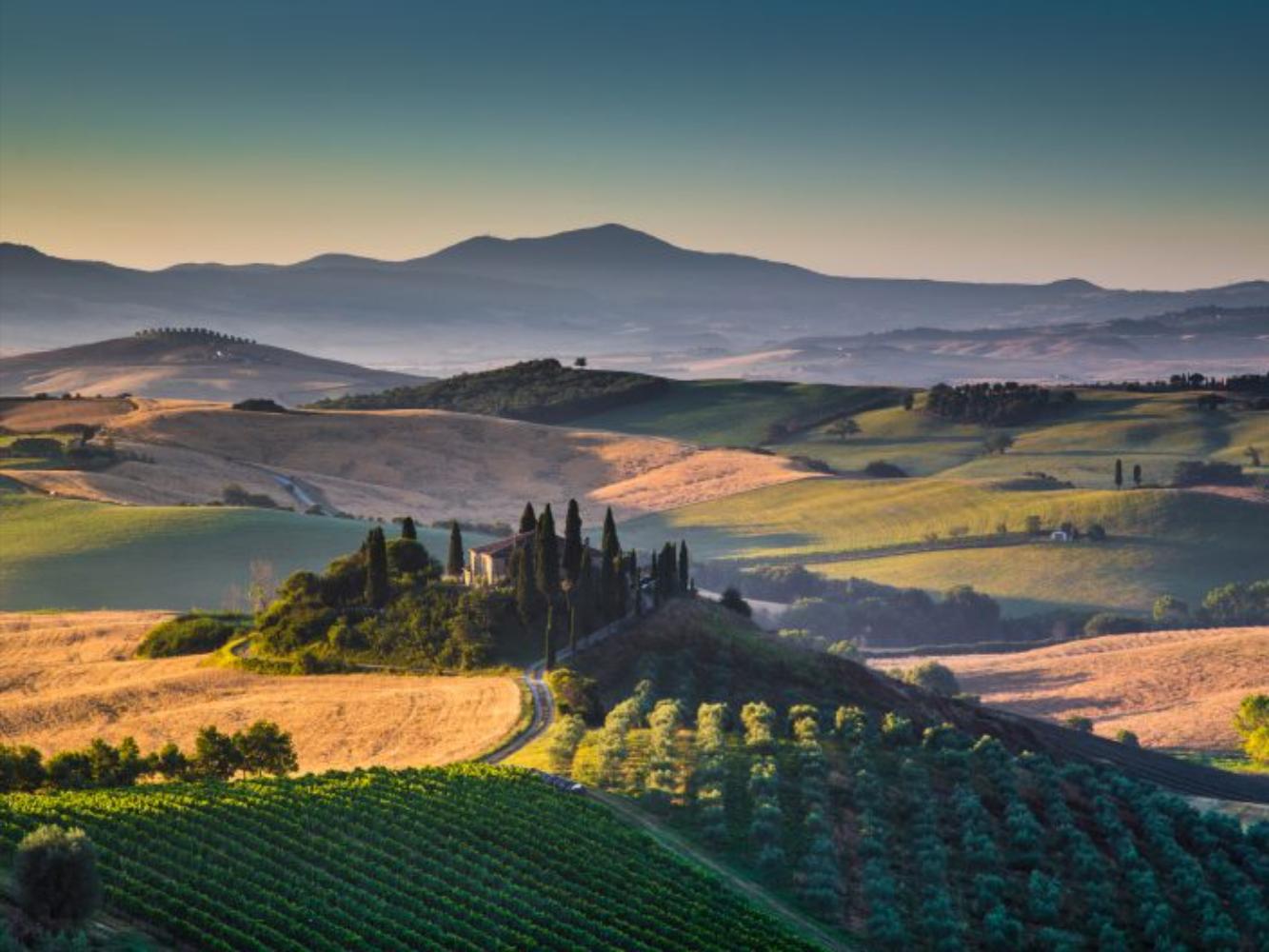
Val d’Orcia is a UNESCO World Heritage Tuscan landscape, famous for cypress trees, medieval villages, and iconic vineyards such as those in Montalcino.
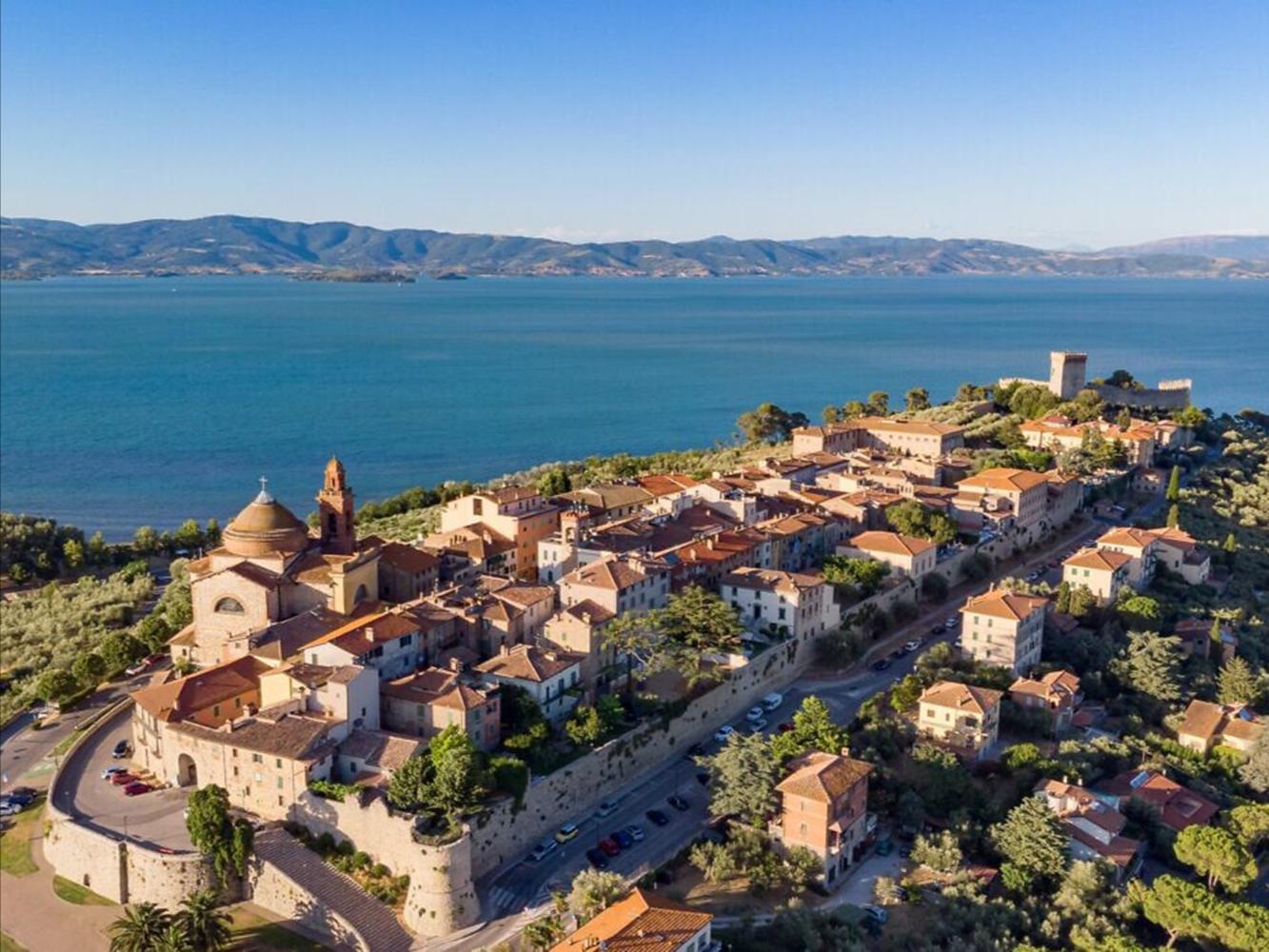
Lake Trasimeno, the largest lake in central Italy, features three ferry-accessible islands and shores ideal for walks, village visits, and local events.
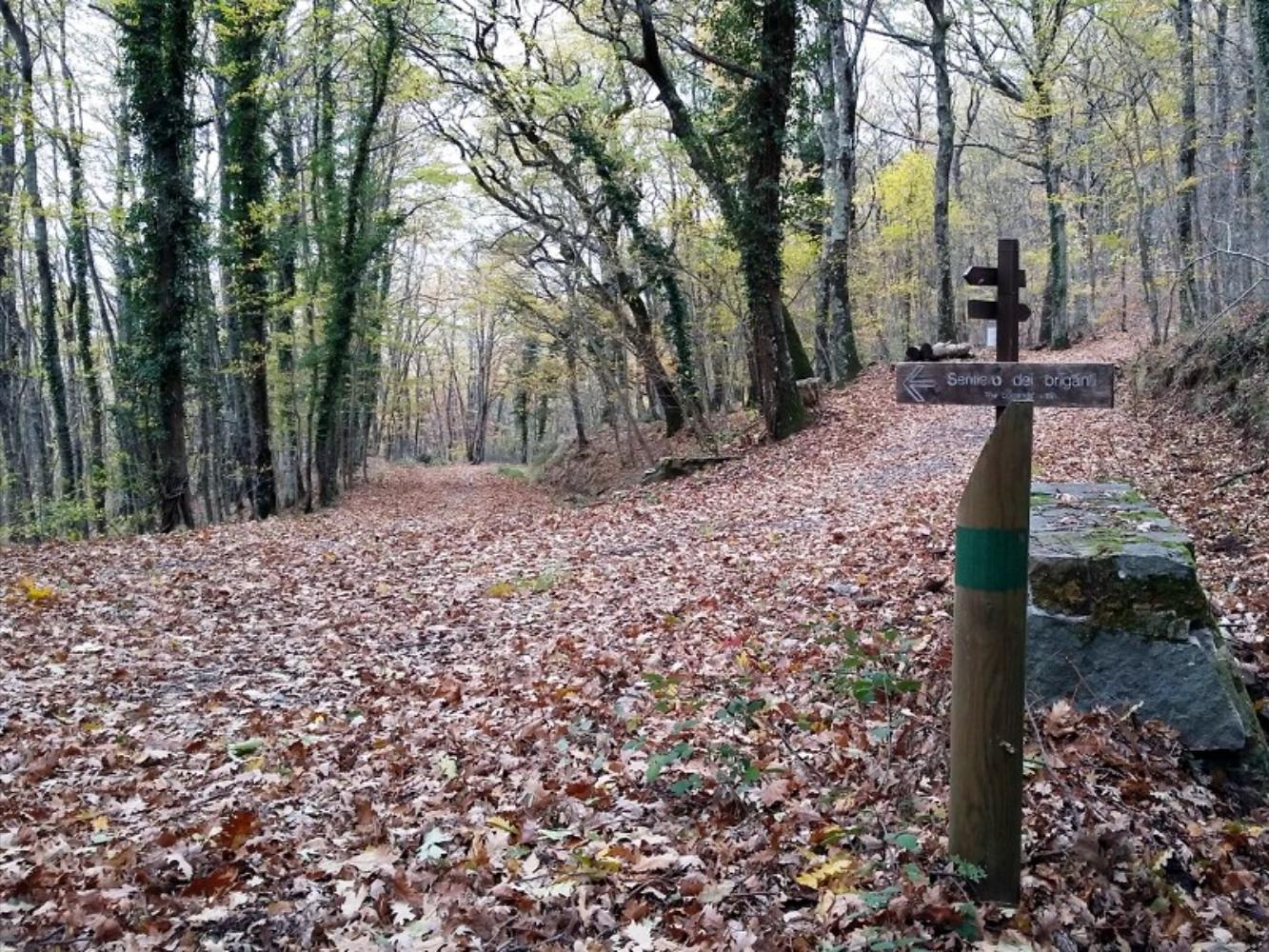
The Monte Rufeno Nature Reserve offers trails, wildlife observation, and historic villages, making it a perfect destination for hiking and nature exploration.
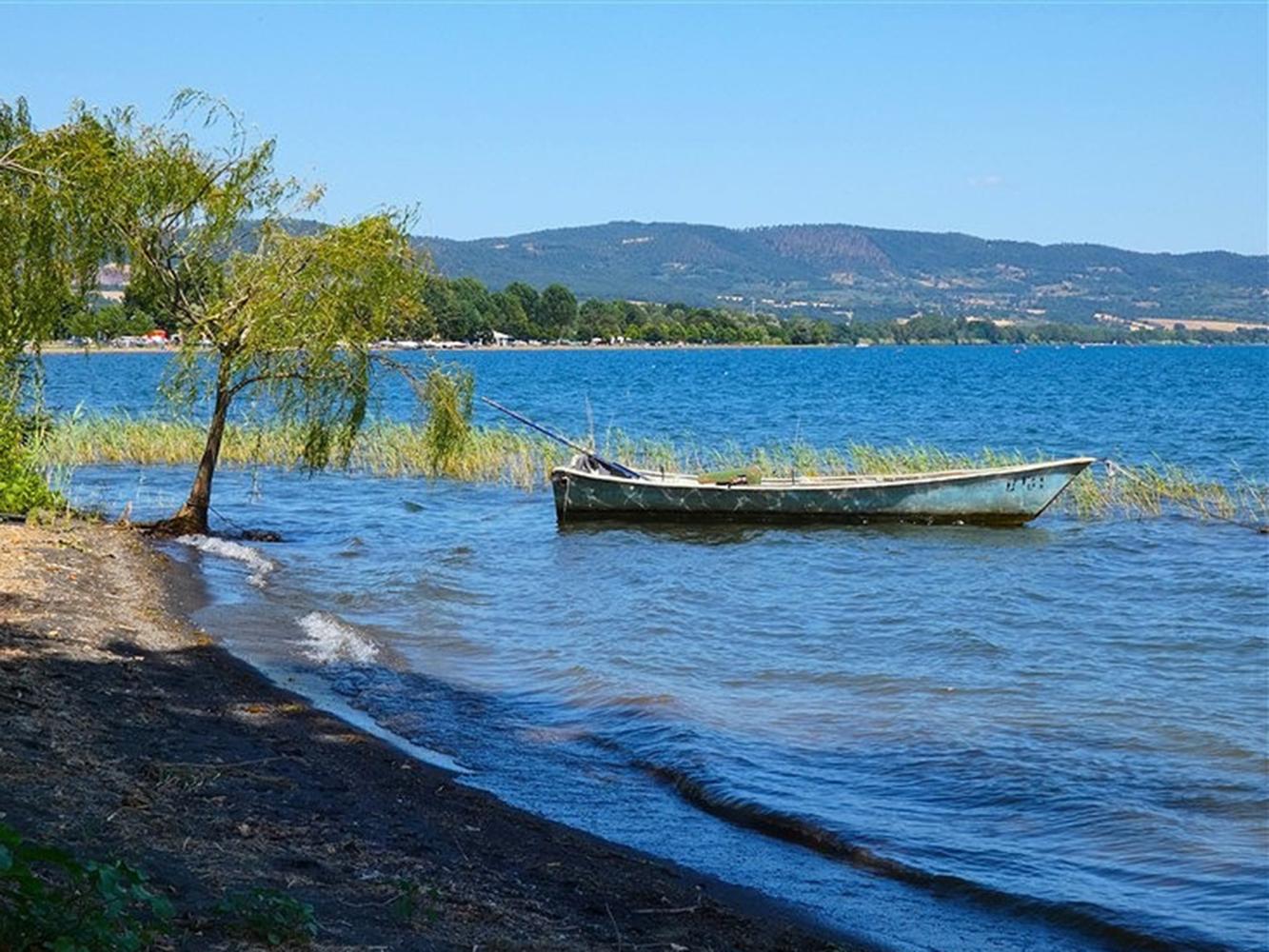
Just an hour’s drive away, Lake Bolsena, a dormant volcanic lake, offers black sand beaches for swimming and a variety of water sports.
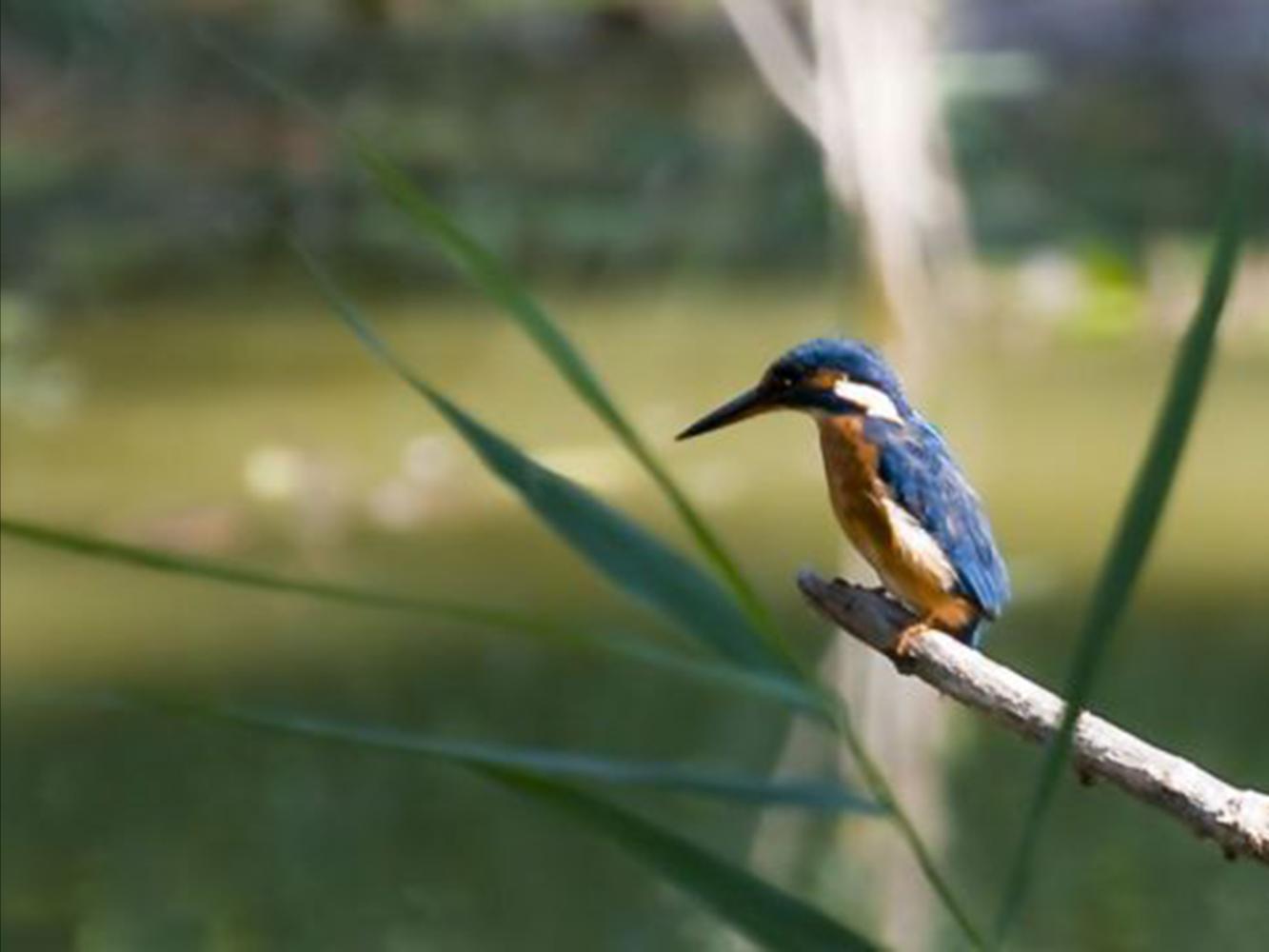
The countryside, woodlands, and the nearby Alviano Oasis offer the perfect opportunity for birdwatching, where you can spot herons, hoopoes, birds of prey, and many species of waterfowl.
EXPERIENCES
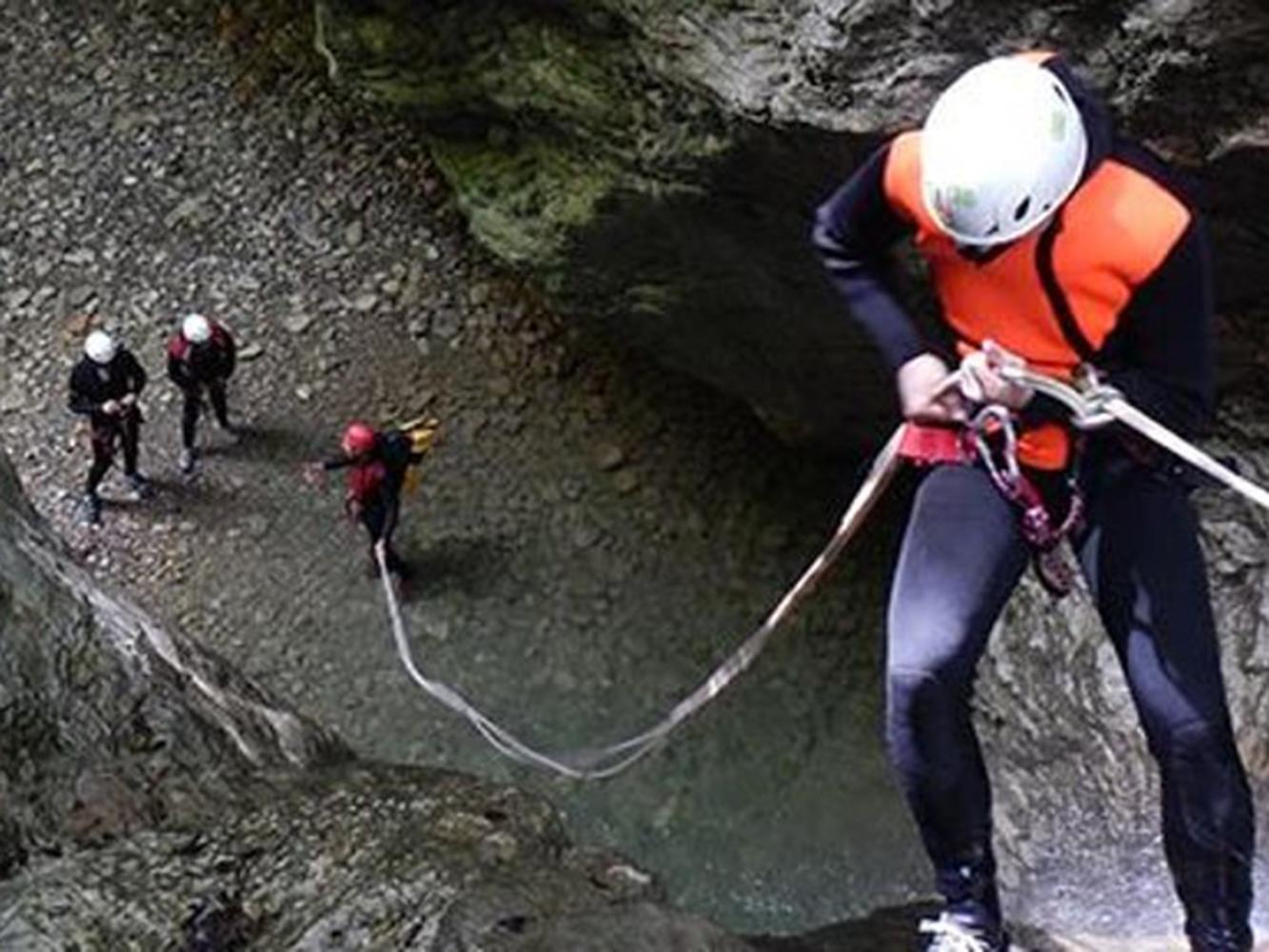
Canyoning adventures are available in the gorges of Parrano, Valnerina, and Prodo, featuring rope descents, jumps, and natural slides in wild, unspoiled environments.
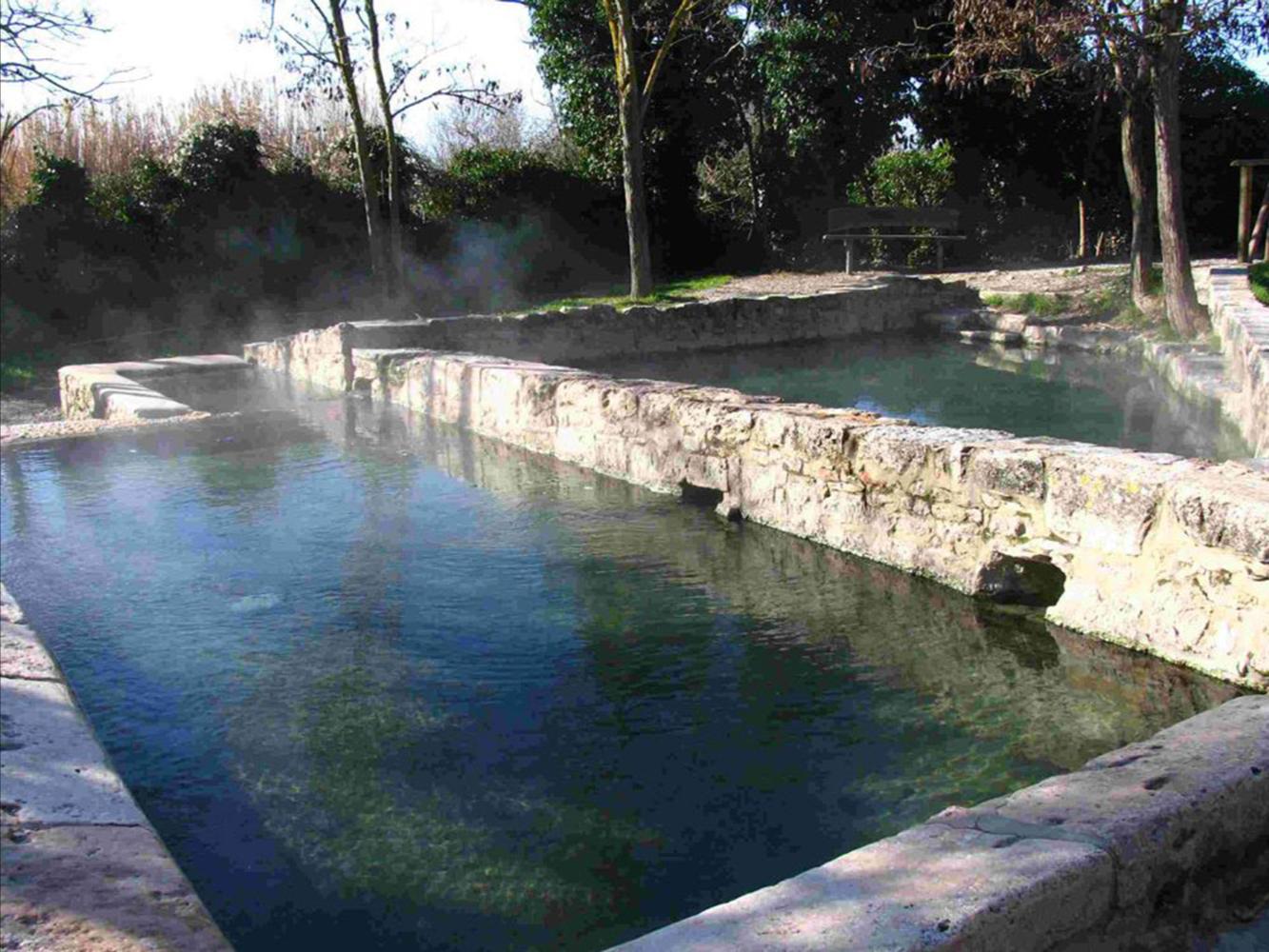
Nearby, you can find several sulfuric thermal baths and wellness spas with healing properties. Within 40 minutes to 2 hours, you can reach the Terme di San Casciano, Saturnia, San Filippo, Petriolo, and Viterbo.
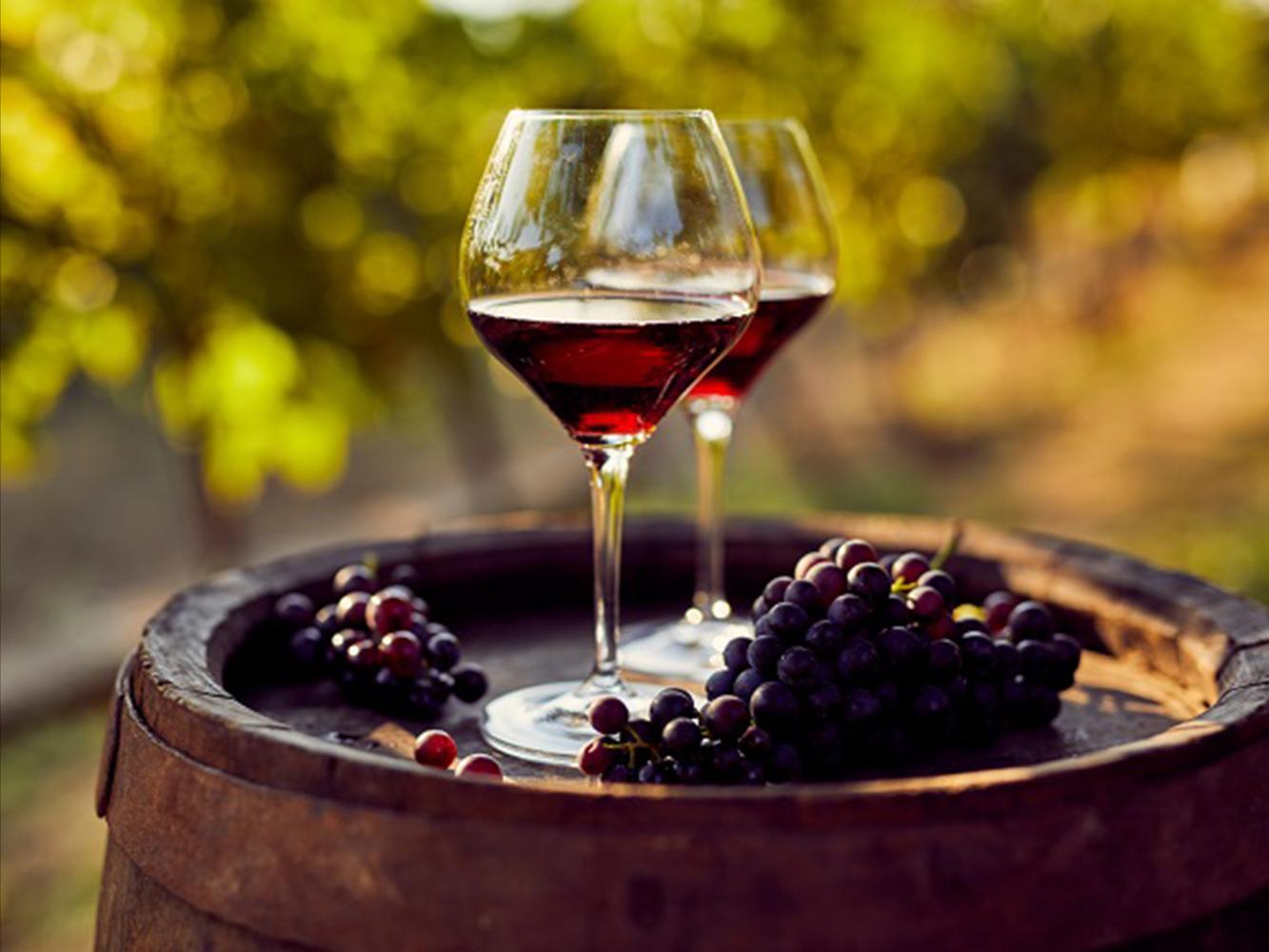
Several local wineries offer lunch or dinner paired with wine tastings. Some notable examples include Vitalonga, Castello della Sala, Pomario, Argillae, and San Filippo.

Local artisan workshops organize courses in traditional ceramics and natural dyeing with herbs and local plants, allowing visitors to learn ancient craft techniques.
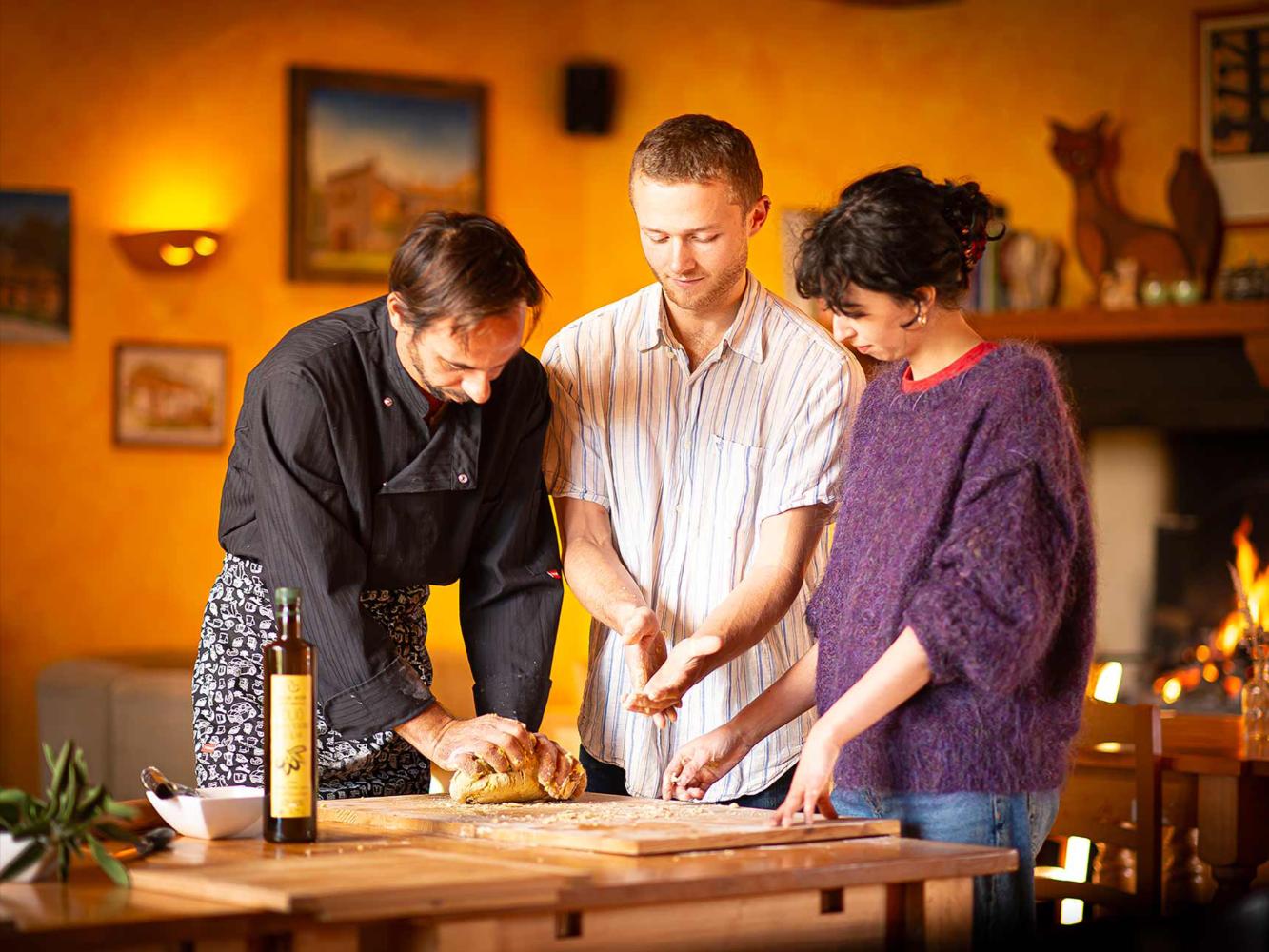
Nearby holiday farms and restaurants also offer cooking classes, where you can master local and traditional recipes.
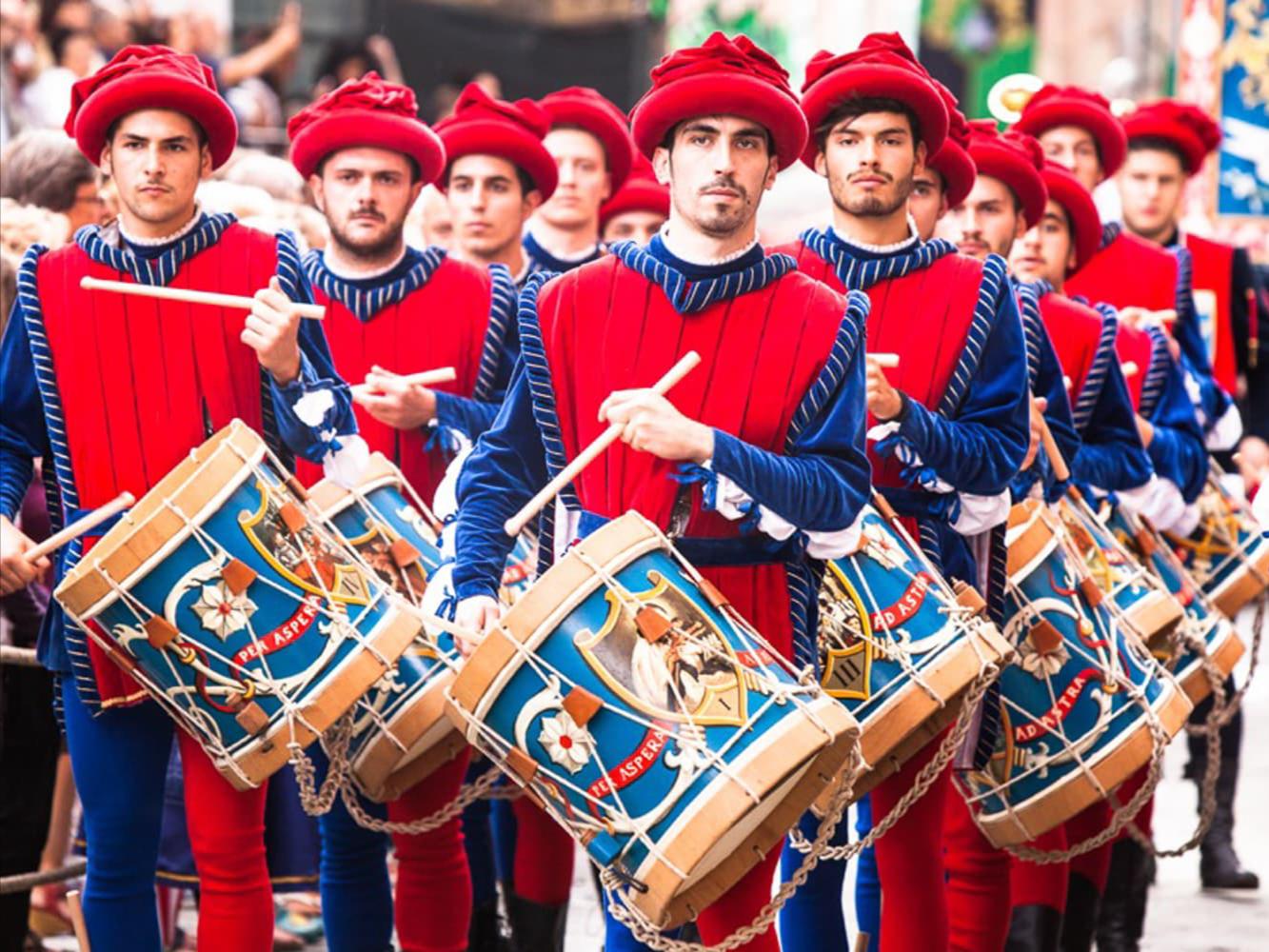
Especially in summer, the area hosts a rich calendar of festivals, music events, medieval fairs with period costumes, and other folk events, offering a lively experience of local culture.
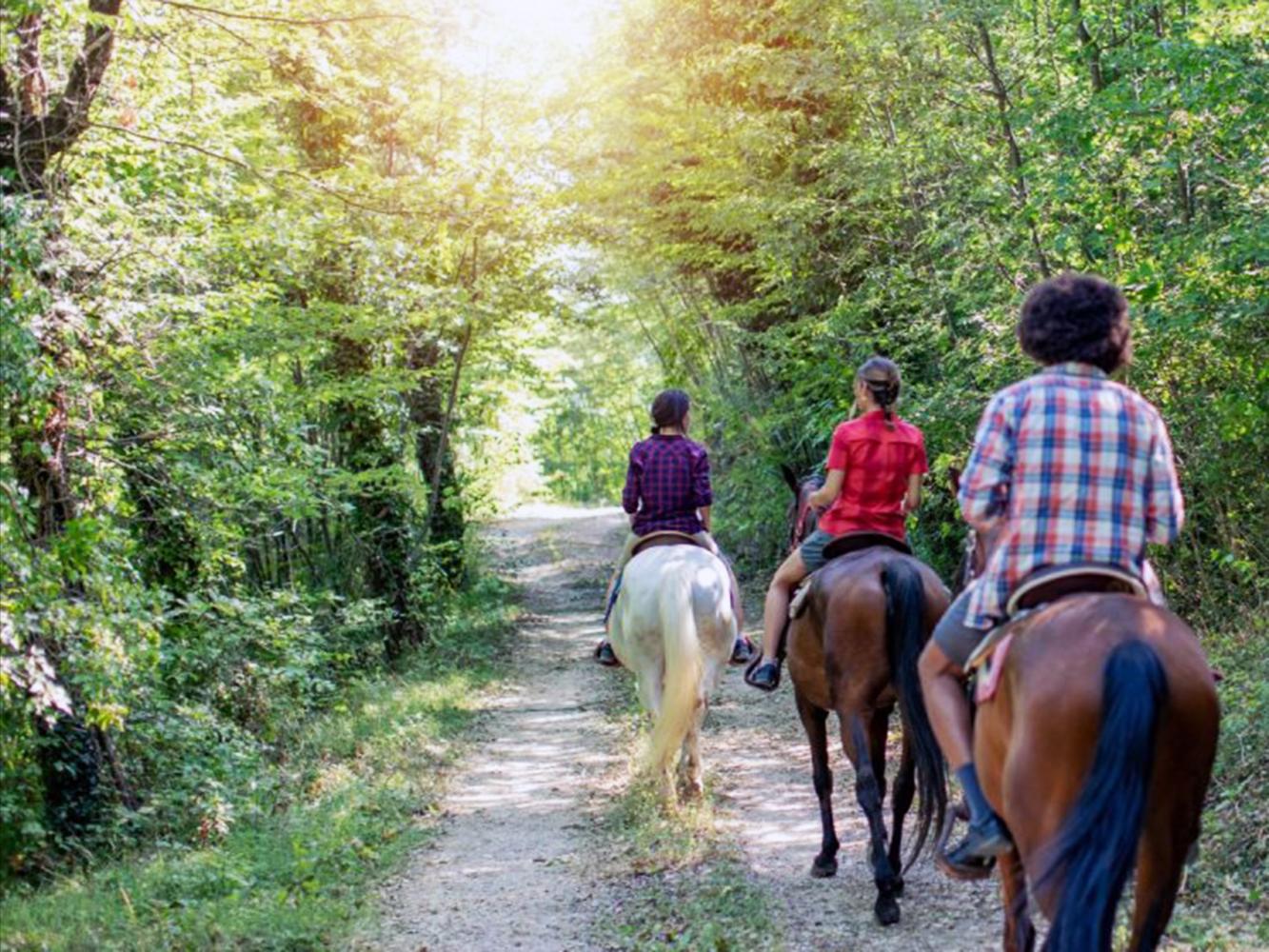
Several equestrian centers provide horse riding lessons and guided rides suitable for adults and children of all skill levels.
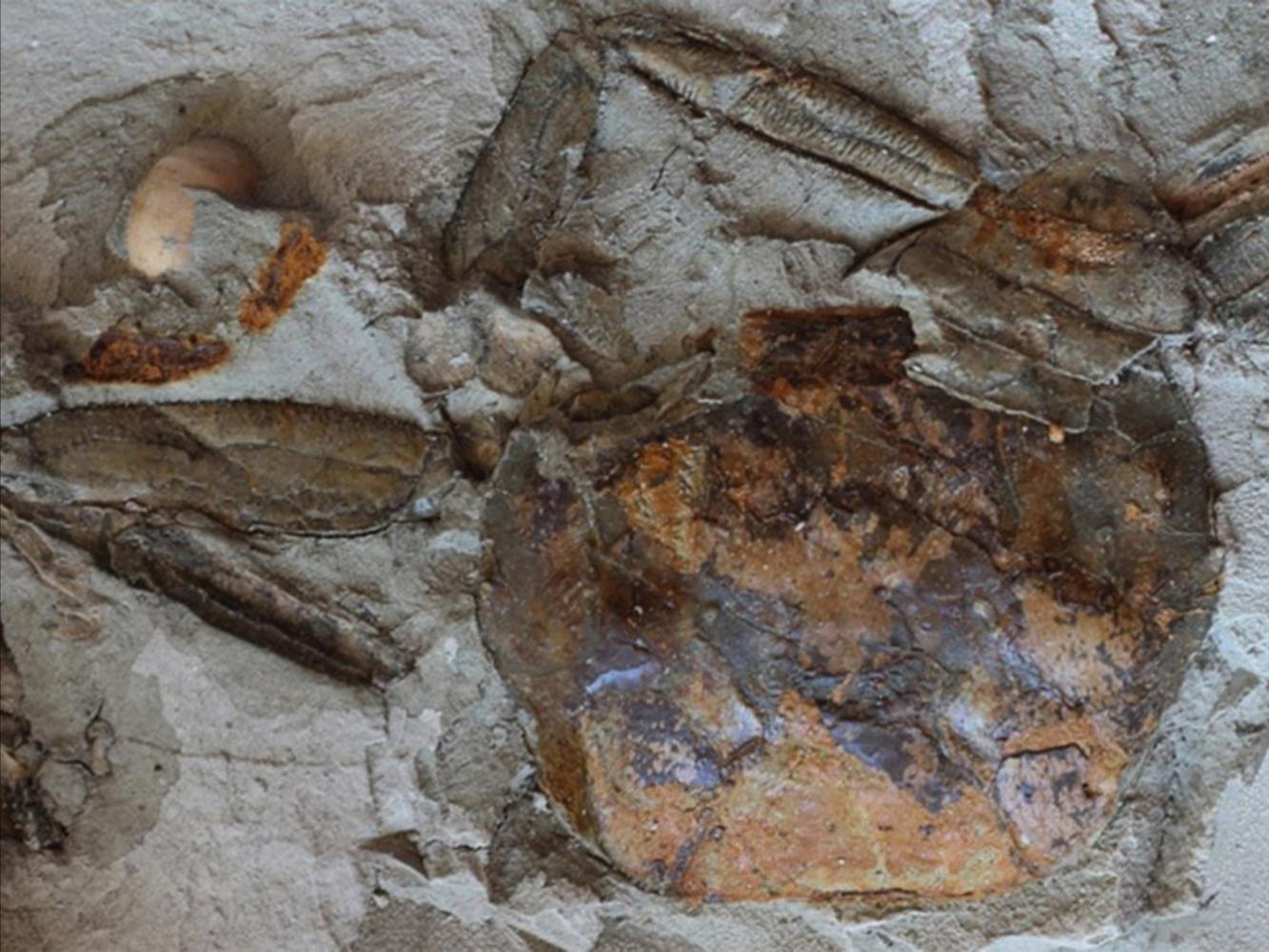
The Allerona Geological Cycle Museum showcases 2.5 million years of local history and displays Lower Pleistocene marine fossils.
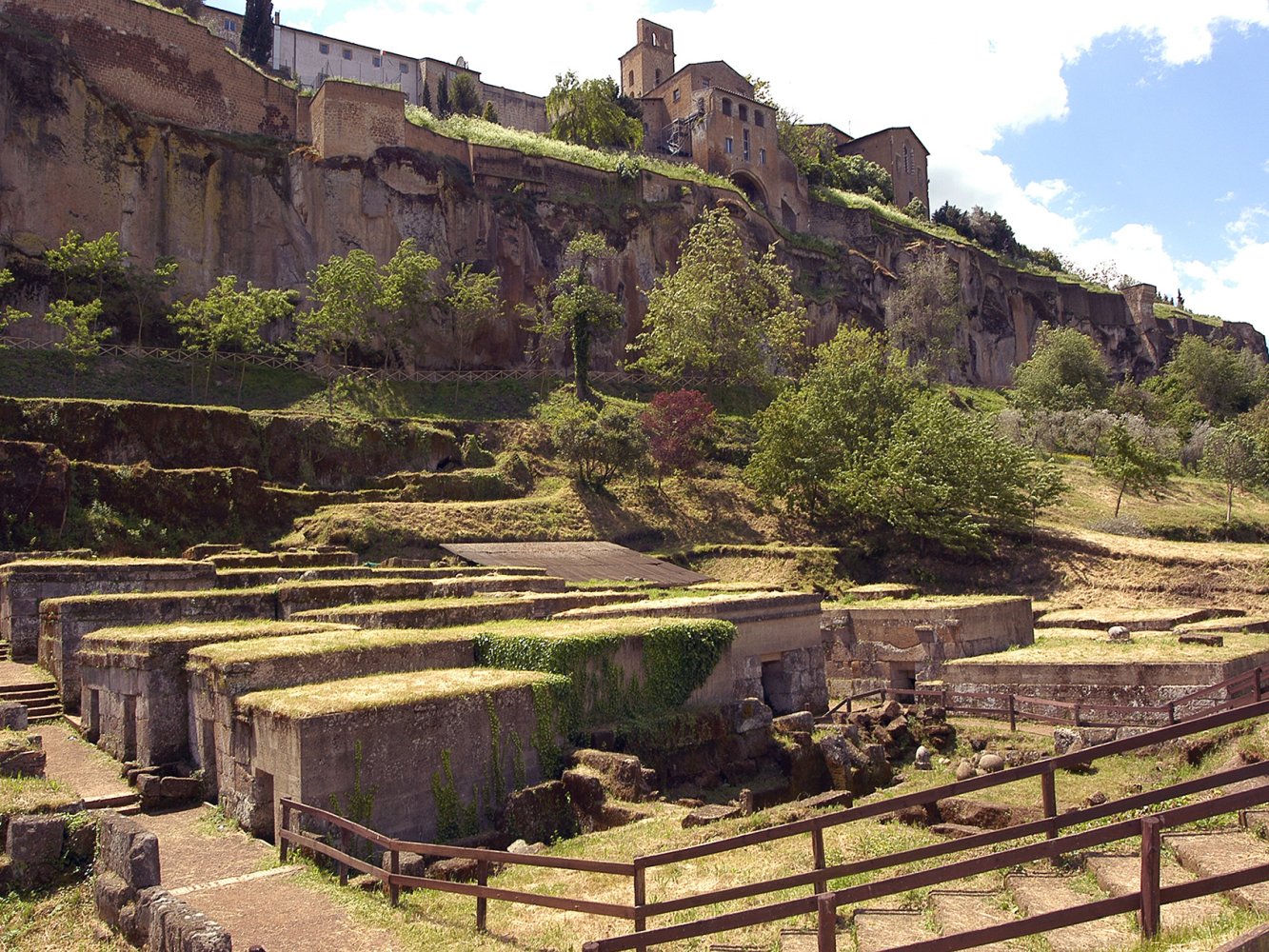
The Etruscan Necropolis of Crocifisso del Tufo, dating back to the 6th century B.C., features chamber tombs aligned along paths carved in tuff near Orvieto.
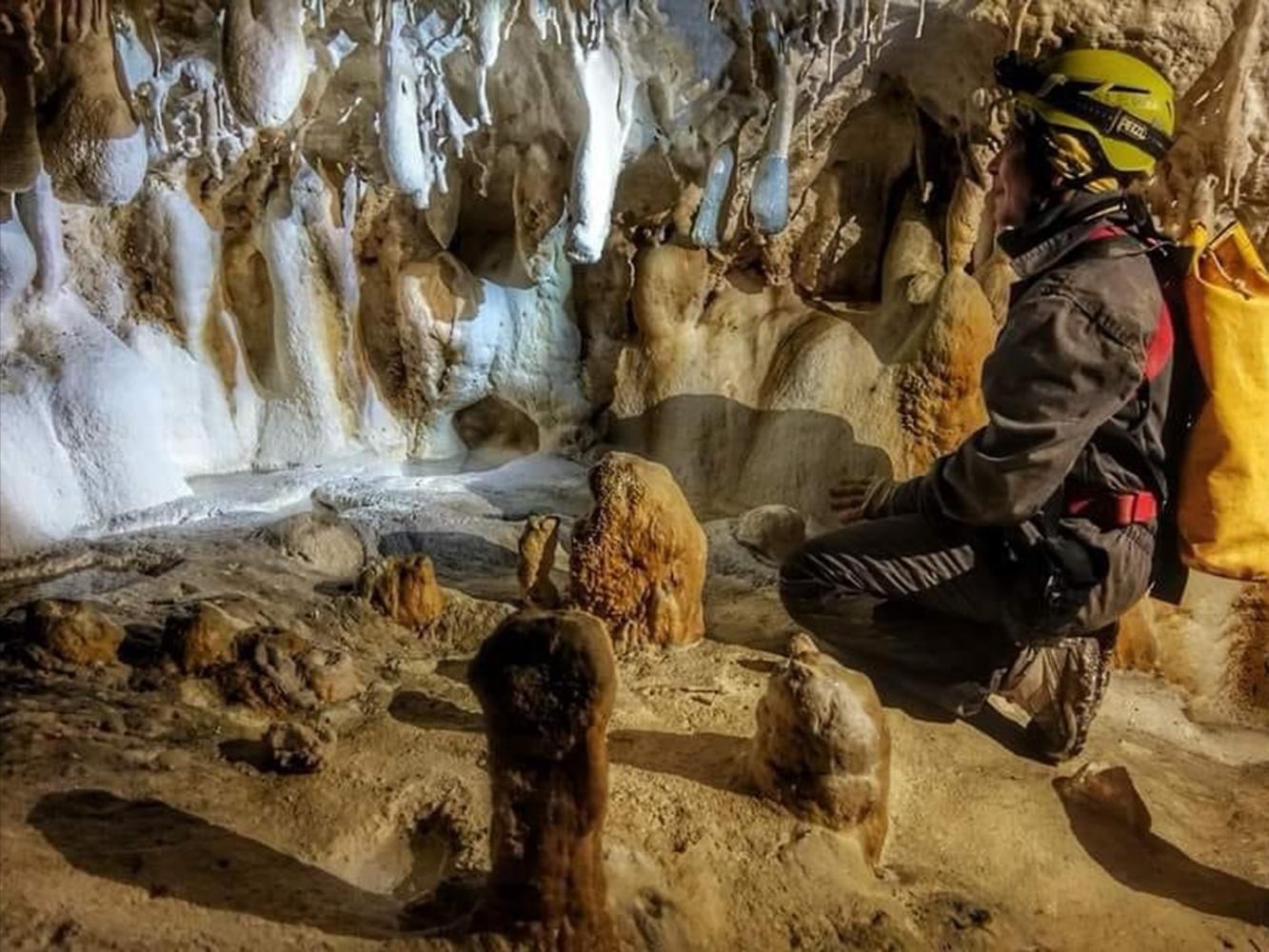
Explore the natural caves and caverns of Umbria through guided caving tours, led by passionate and expert guides.
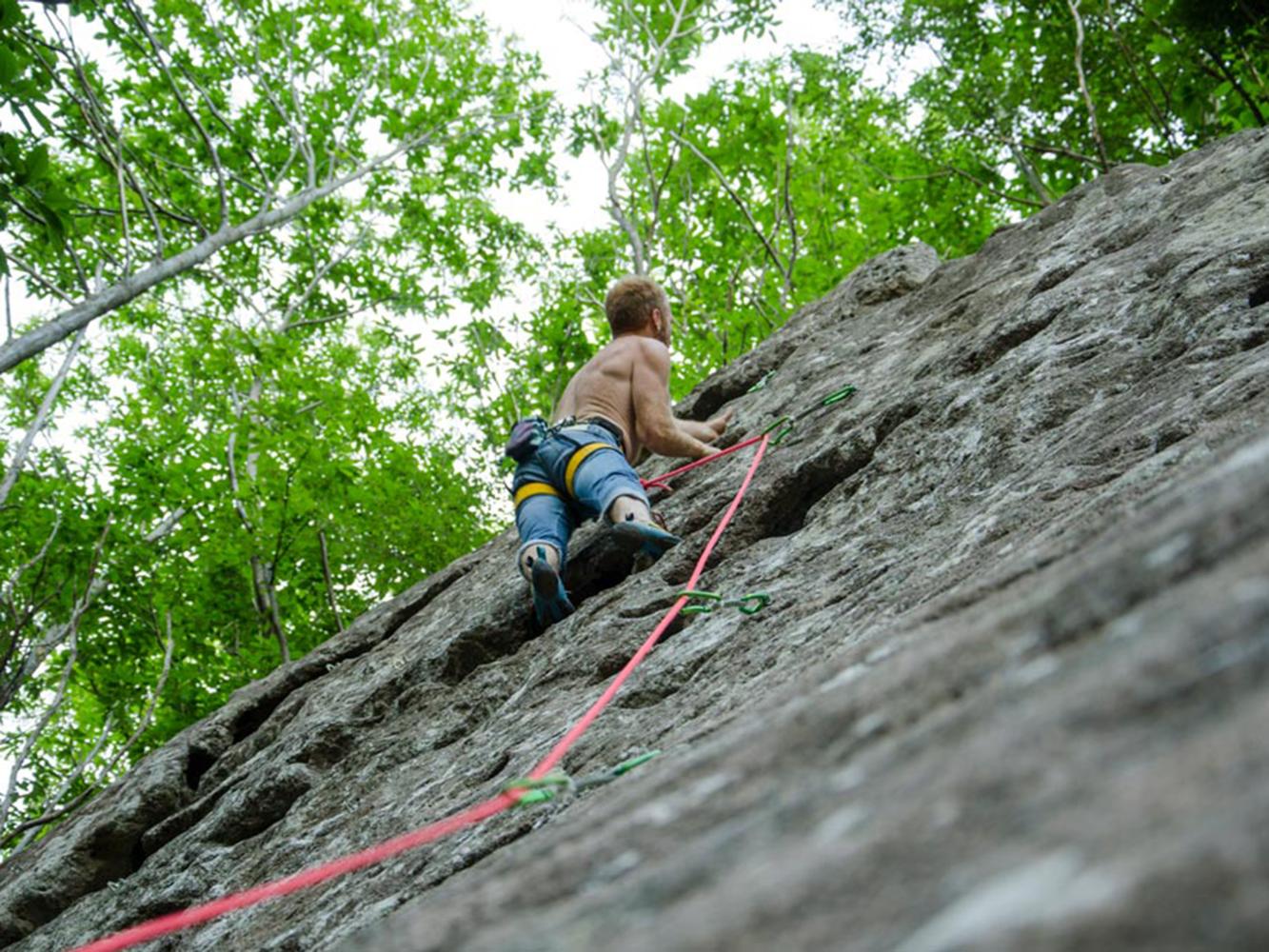
The surrounding area also offers natural climbing walls for sport climbing, including Le Gole del Forello, Monte Amiata, Ferentillo, and Valnerina, suitable for all levels of experience.
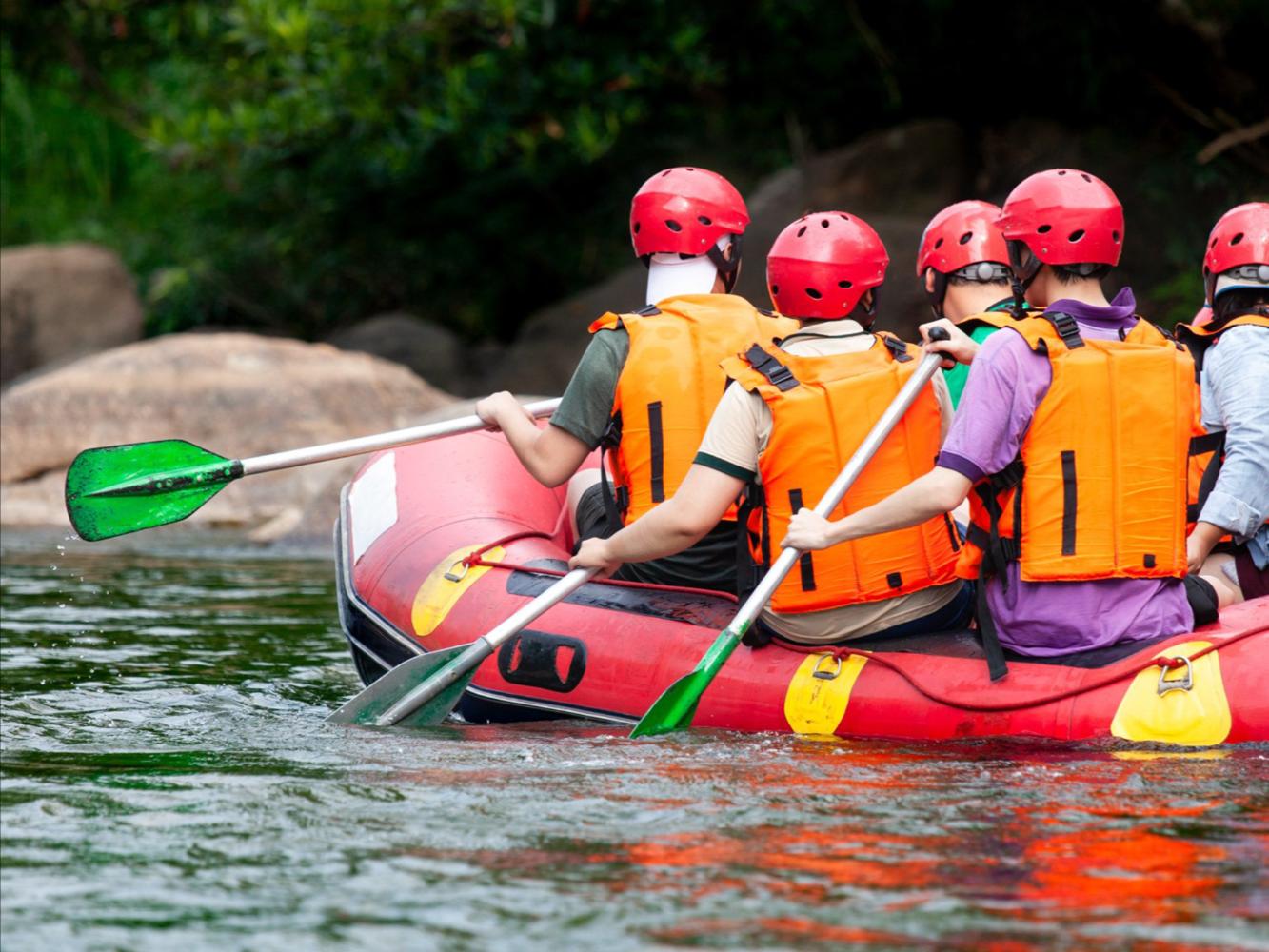
The waters of the Nera River provide thrilling rafting routes through deep gorges, rapids, and spectacular natural landscapes.